
Book Appointment
Pench
- The Pench National Park is located in Southern Madhya Pradesh in India, about 70 km from the city of Nagpur.
- Spread over an area of 275 km². 90% of the area is in the neighboring state of Madhya Pradesh, the remaining 10% in Maharashtra.
- The vegetation here is typical of the southern tropical deciduous forest. The best time to visit the park is between February and April.
- The common animals which can be seen are the gaur, sambhars, blue bulls, macaque, langur, wild boar, bears and wild dogs and the Park is well-known for its deers and leopards.
- Pench National Park is situated to the south of Satpura Hills. It is named so after the name of the river Pench which flows through this area.
- This park is also a paradise for bird watchers as a lot of species; around 270 of them can be sighted here.
- The Park is open to The Park is open to visitors between 6 AM to 10:30 AM and 3 PM to 6 PM in the evening.
- The park remains closed during July, August, and September. It can be accessed by road as well as railway.
- Other important natural forests in Maharashtra like the Nagzira Sanctuary and the Navegaon National Park are also close to Pench.
- The name of Pench National Park was changed to "Indira Priyadarshini Pench National Park" in November 2002. Similarly the name of Pench Sanctuary has been changed to "Mowgli Pench Sanctuary".
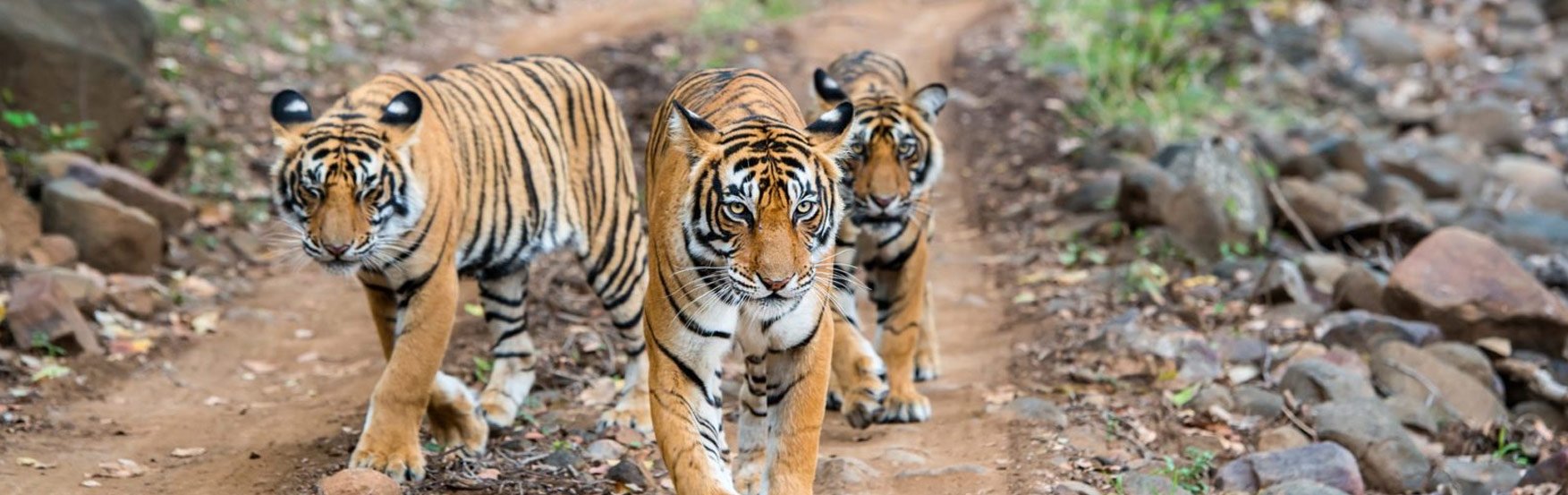
- Recently in 1992, Pench has been included under the umbrella of "Project Tiger" as the 19th Project Tiger Reserve. A total of 758 Sq. kms of this Southern Indian tropical moist deciduous forest has its extent mingling with the tropical dry deciduous teak.
- In Pench, Cheetal, Sambar, nilgai are commonly seen grazing on the open sites on roadsides and banks of river & reservoir.
- Jackals can be seen in search of food anywhere in the Park. Packs up to 15 of wild dog can be seen near Chhedia, Jamtara, Bodanala and Pyorthadi areas of the Reserve.
- Herds of gaur can be spotted near streams and bamboo patches commonly in summer months. Sloth beers occupy hilly, rocky out crops and favor mahulbel infested forest.
- Chinkara is present in very small numbers and is found in open areas around Turia, Telia and Dudhgaon villages.
- Langoors are very common in Pench, whereas the Rhesus monkeys may be seen occasionally Langoors are very common in Pench, whereas the Rhesus monkeys may be seen occasionally on the fringes.
- Pench boasts of, more than 210 species of birds that include several migratory ones also. Commonly seen are Peafowl, Red jungle fowl, Crow pheasant, Crimson breasted barbet, Redvented bulbul, Racket tailed drongo, Magpie robin and lesser whistling teal.
Pench General Information
- Floristically, this Tiger Reserve is a part of Indo-Malaya realm, whereas Zoo-geographically, it is a member of the oriental region.
- According to the biogeographic classification of the Wildlife Institute of India (Rodgers and Panwar 1988), it lies in the Zone- 6E Deccan Peninsula Central Highland
(i) Flora :
- The undulating topography supports mosaic of vegetation ranging from moist, sheltered valleys to open, dry deciduous forest.
- Over 1200 species of plants have been recorded from the area.
- This includes several rare and endangered plants as well as plants of ethno-botanical importance.
(ii) Forest Type :
The forests in Pench tiger reserve are classified into three types:
- South Indian Tropical Moist Deciduous (slightly moist)
- Southern Tropical Dry Deciduous Teak Forests and
- Southern Dry Mixed Deciduous Forest
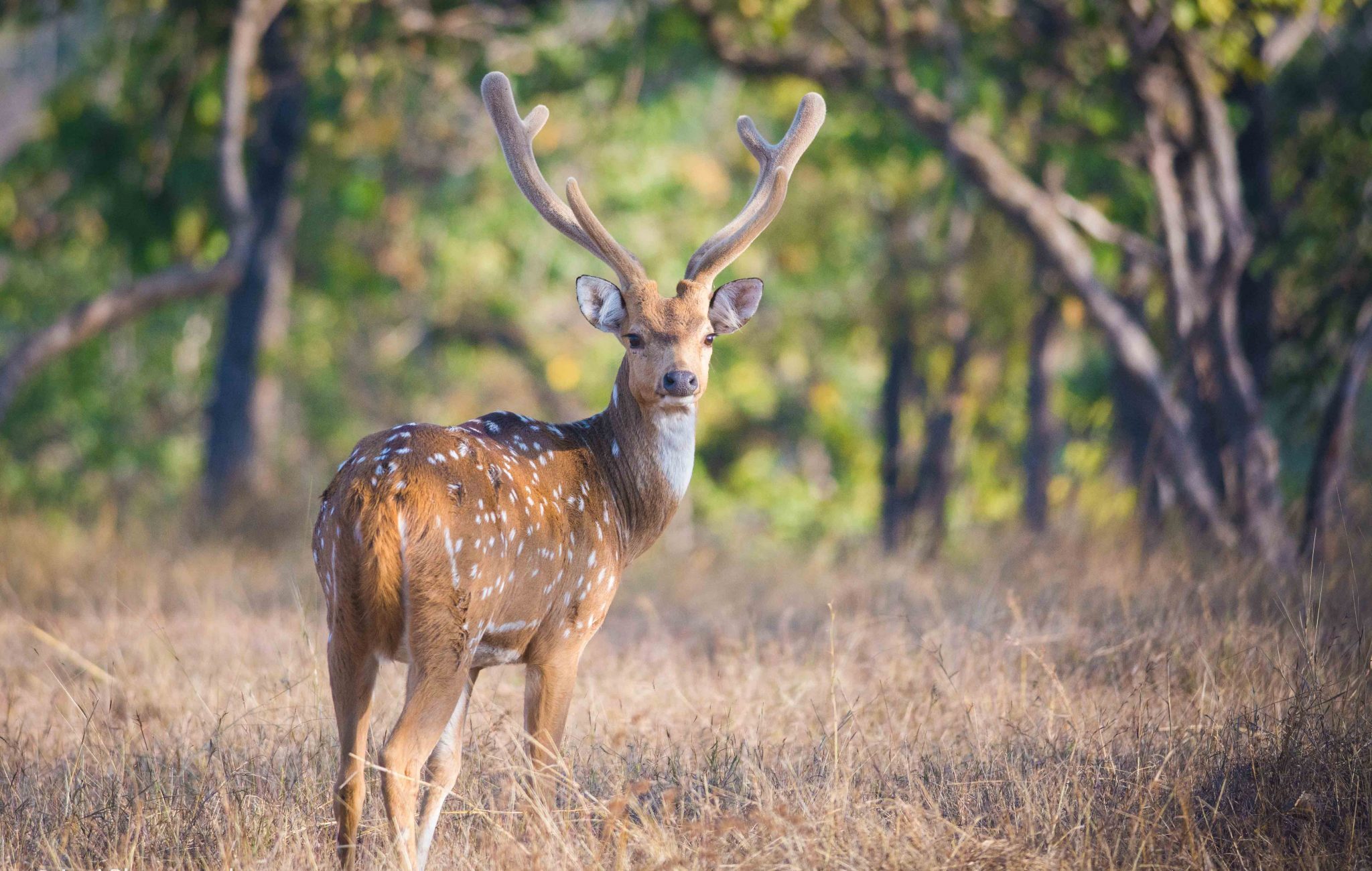
- Much of the area even under teak forests supports good grass cover and is consequently a fine habitat for herbivores, especially the Spotted deer.
(iii) Fauna :
- The area is dominated by fairly open canopy mixed forests with considerable shrub cover and open grassy patches.
- This high habitat heterogeneity favors high population of Chital, Sambar, Wild boar & Blue bull. Another factor is the availability of doob grass (Cynodondaxctylon) during the late winter and early summer months in the drawdown area, which provides highly nutritious forage to the herbivores.
- Pench tiger reserve has of the highest density of herbivores (90.3 animals per square kilometer) and the second highest prey base biomass in India after Nagarhole (6013 Kg per square kilometer).
- The area supports large number of Gaur (Indian Bison), Sambar, Barking deer, Chousingha, Chinkara and Wild boar.
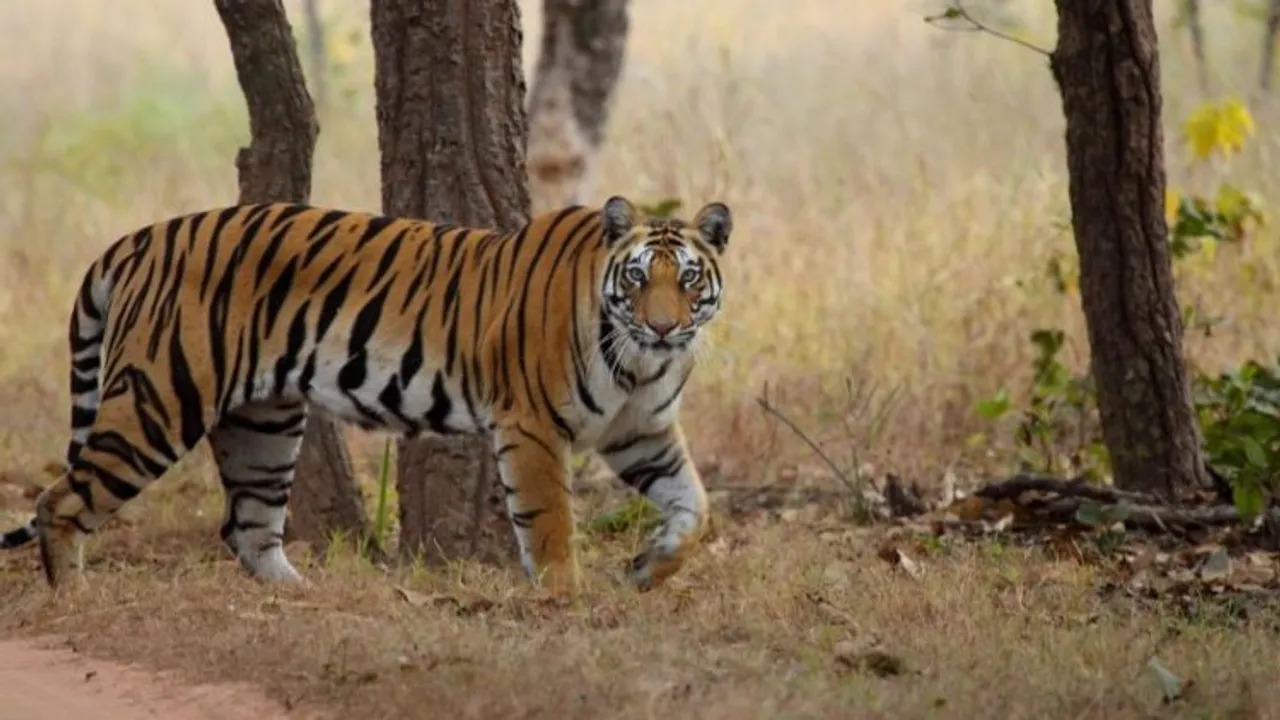
- The key predator is the Tiger followed by Leopard, Wild Dog and Wolf. Other animals include Jackal, Fox, Palm civet, Small Indian civet, Jungle cat, Common mongoose, Small Indian mongoose, Ruddy mongoose, Hyena, Porcupine, Ratel.
- There are over 325 species of resident and migratory birds including the Malabar Pied hornbill, Indian Pitta, Osprey, Grey-headed fishing eagle, White eyed buzzard, 6 species of vultures etc.
- In winter thousands of migratory waterfowl including Brahminy duck, Pintail duck, barheaded geese, Coots, Pochards, Wigeon, Gadwall, Mallard etc visit the tanks and reservoir within the park.
- Pench Tiger Reserve is also among the best area for bird watching. The other fauna present include 50 species of fishes, 13 amphibians, 37 reptiles, 105 butterflies, 100 Moths, 20 spiders, 35 dragon and damsel fly and numerous other insects.
Places of Interest
Top places of tourist attraction in Pench:
- Sitaghat
- Alikatta
- Bondala Range
- Doob Road
Top excursions in Pench
Jungle Safari
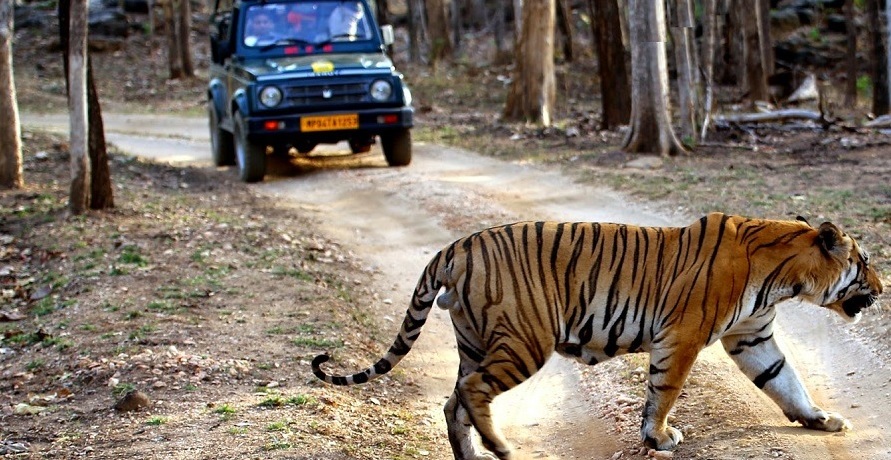
- The major attraction of the park is the jungle safari. In a Jeep drive round the park one can see a variety of animals and birds, especially large herds of chital.
- The various points in the park worth a visit are as follows:
Alikatta : A relocated village site that is now the main elephant camp of the park. The grassland or maidan here has numerous herds of chital and the submergence around the southern and western sides of the village affords splendid scenery.
Pyorthadi : An abandoned village site that is partly submerged. The submergence attracts huge herds of chital and other animals. The submergence is open only after December.
Chindimatta : A small hillock on the edge of the submergence, this is the main base of the boating facilities in the park.
Karmajhiri: This is a forest village outside the northern gate of the park. The accommodation facilities of the park are located here.
Bodanala: The Bodanala irrigation tank on the park boundary is a picturesque water body that attracts animals as well as numerous birds during winter.
Chhedia : The second relocated village in the park, now a fine grass land.
Boating
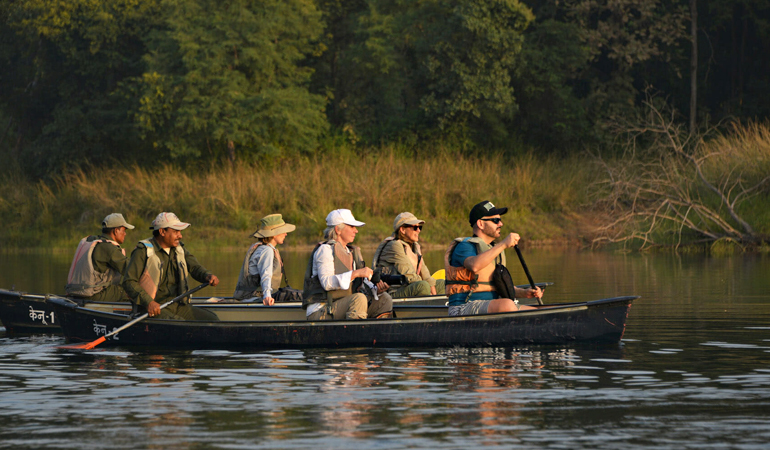
- The large Pench reservoir within the park with its numerous islands provides a magical setting for boating.
- Motorboats and Paddleboats are available for the tourists at Chhindimatta
Nature Trail
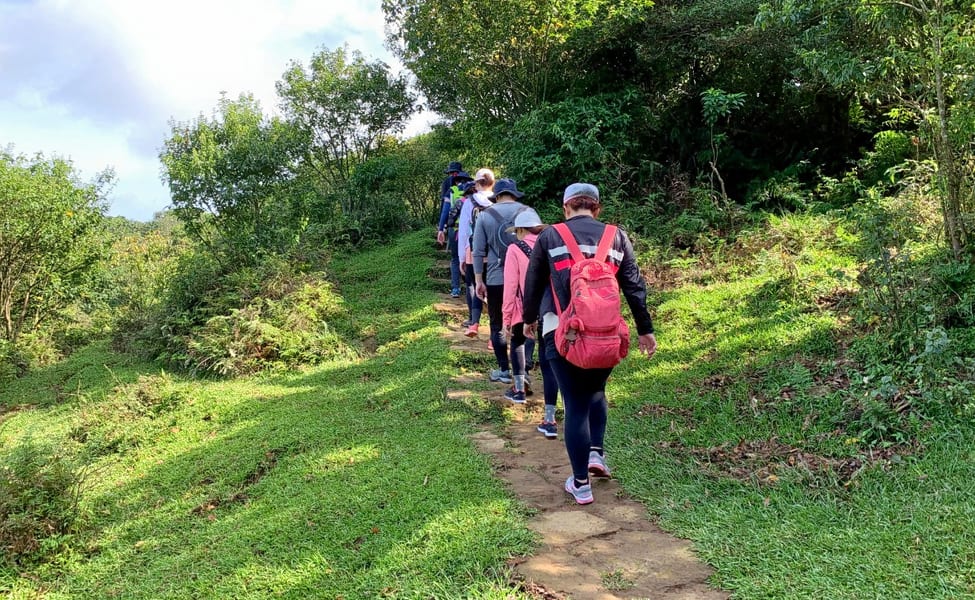
- For tourists who want to experience nature close at hand, nature trails are the best option.
- Nature trails have been identified outside the park and numerous flora and fauna can be encountered in their natural surroundings.
- Trained guides can be hired for nature trails at the park gates at Turia and Karmajhiri.


Trips
& tours
Choose M.P Holidays®
- Approved by “The Ministry of Tourism” (Approval No: 2203270HE874)
- “The Official No.1 Channel Partner” of M.P Tourism (Registration No: MP-TOUR-20221/131888)
- We are Awarded “The Best Travel Agent” by M.P. Government for the three consecutive years. (2016, 2017 and 2018)
- Having offices at
- Surat
- Indore
- Ahmedabad
- Pachmarhi
- Nagpur
- Kanha
- Discover Madhya Pradesh from major cities like Surat, Ahmedabad, Delhi, Mumbai, Nagpur, Pune and beyond—experience the best of India, no matter where you start.
- Own resort at Madhya Pradesh.

Certificate of Excellence for Year 2016

Certificate of Excellence for Year 2017

Certificate of Excellence for Year 2018

With Hon'ble Chief Minister Shivraj Singh Chauhan