Book Appointment
Bandhavgarh National Park
Discover the land of the Royal Bengal Tiger — India’s most iconic wildlife sanctuary in the heart of Madhya Pradesh
BOOK YOUR SAFARI437Sq. Km Area
250+Bird Species
37+Mammal Species
80+Butterfly Species
About Bandhavgarh
One of India’s most renowned national parks, famous for its extraordinary tiger density
Bandhavgarh National Park is one of the most popular national parks in India, located in the Umaria district of Madhya Pradesh. Declared a national park in 1968 with an area of 105 sq. km, the park is now spread over the forest divisions of Umaria and Katni, totalling 437 sq. km.
The park derives its name from the most prominent hillock of the area, which is said to have been given by Hindu Lord Rama to his brother Lakshmana to keep a watch on Lanka — hence the name Bandhavgarh (meaning “Brother’s Fort”).
This park boasts incredible biodiversity. The density of the tiger population at Bandhavgarh is one of the highest known in India. The park has a large breeding population of leopards, and various species of deer. Maharaja Martand Singh of Rewa captured the first white tiger in this region in 1951.
With the tiger at the apex of the food chain, it contains at least 37 species of mammals, more than 250 species of birds, about 80 species of butterflies, and a number of reptiles. The richness and tranquility of grasslands invites pairs of sarus cranes to breed in the rainy season.

Rich History
Centuries of royal heritage and natural wonder
1234 — The Foundation
The state of Rewa owes its origins to the foundation of a state by Vyaghra Dev, a descendant of the Vaghelas of Gujarat. He married the daughter of the Raja of Pirhawan and conquered the territory between Kalpi and Chandalgarh.
The Royal Dowry
Karan Dev, son of Vyaghra Dev, married the daughter of the Raja of Ratanpur, bringing Bandhogarh (now known as Bandhavgarh) into the family as her dowry.
1597 — Mughal Era
The legendary fortress of Bandhogarh fell into Mughal hands in 1597. At the death of H.H. Maharaja Virbhadra Rao in 1593, the emperor took advantage of his minor son’s absence to annex the fort.
New Capital at Rewa
On his return, H.H. Maharaja Vikramaditya was forced to establish a new capital at Rewa, from whence the state took its name.
1968 — National Park
Bandhavgarh was declared a National Park, beginning a new era of wildlife conservation and eco-tourism that continues today.
The Famous Tigers of Bandhavgarh
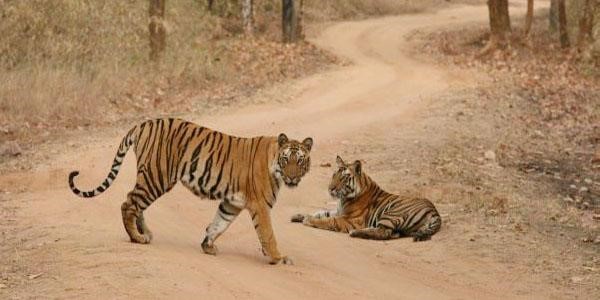
Home to the highest density of Bengal tigers in the world
Charger
An animal so named because of his habit of charging at elephants and tourists (whom he nonetheless did not harm). Charger was the first healthy male known to be living in Bandhavgarh since the 1990s — a true legend of the park.
Sita
A female who once appeared on the cover of National Geographic and is considered the most photographed tiger in the world. Sita was found in Bandhavgarh for many years and left an incredible legacy.
The Legacy
Most of the tigers of Bandhavgarh today are descendants of Sita and Charger. The park also saw the capture of the first white tiger by Maharaja Abhishek Parida of Rewa in 1951 — the famous Mohan.
Wildlife Census Data
Tiger population based on All India Tiger Estimation (NTCA) & key wildlife numbers
| Species | 2006 | 2010 | 2014 | 2018 | 2022 | 2025 (Est.) |
|---|---|---|---|---|---|---|
| Tiger | 46 | 58 | 80-85 | 104 | 135 | 150+ |
| Leopard | 18 | 22 | 28 | 33 | 40+ | 45+ |
| Gaur (Indian Bison) | 0 | 0 | 50 | 90 | 140 | 170 |
| Wild Elephant | 0 | 0 | 0 | 40-45 | 50 | 55 |
| Chital (Spotted Deer) | 5,500 | 6,200 | 7,000 | 8,500 | 10,000+ | 11,000+ |
| Sambar | 600 | 700 | 800 | 900 | 1,000+ | 1,100+ |
| Nilgai | 300 | 350 | 400 | 450 | 500+ | 550+ |
| Wild Boar | 800 | 900 | 1,000 | 1,200 | 1,400+ | 1,500+ |
| Sloth Bear | 40 | 50 | 55 | 60 | 70+ | 75+ |
Source: National Tiger Conservation Authority (NTCA), All India Tiger Estimation Reports & Bandhavgarh Tiger Reserve records. Gaur reintroduced from Kanha in 2012. Wild elephants migrated from Chhattisgarh in 2018.
Top Excursions in Bandhavgarh
Explore nearby gems during your visit
There are a number of destinations which are ideal for excursions from Bandhavgarh, Madhya Pradesh. During your excursions, you can plan a trip to Panna Tiger Reserve and National Park or a tour to Jabalpur.
Located close to Bandhavgarh, these are two important tourist attractions of Madhya Pradesh. The Panna Tiger Reserve and National Park is also a famous tiger reserve in the Vindhyas, home to some of the best wildlife species. Jabalpur is an exciting place famous for its forests and waterfalls.
How to Reach Bandhavgarh
Well connected by road, rail and air

By Road
Bandhavgarh is well connected from nearby towns and cities like Jabalpur, Satna, Umaria, and Khajuraho.
| Destination | Distance |
|---|---|
| Jabalpur | 200 Kms / 04 Hrs |
| Katni | 100 Kms / 02 Hrs |
| Khajuraho | 250 Kms / 05 Hrs |
| Nagpur | 490 Kms / 09 Hrs |
| Umaria | 35 Kms / 45 Min |
| Varanasi | 350 Kms / 07 Hrs |
| Kanha N.P. | 250 Kms / 05 Hrs |
By Train
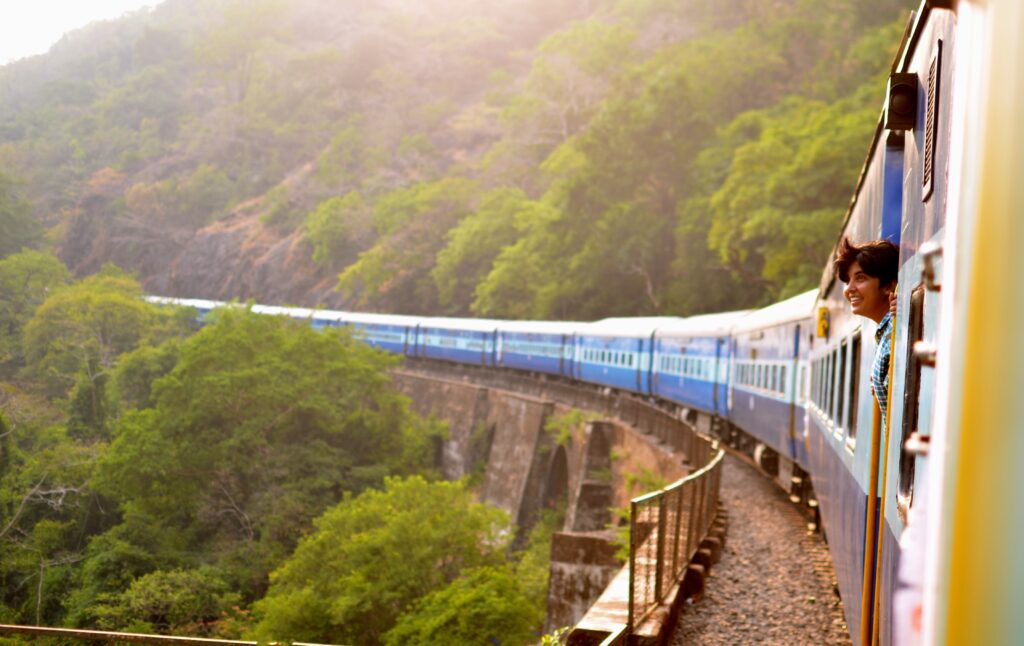
The nearest railway stations for Bandhavgarh National Park are Umaria (35 Kms / 45 Minutes drive) and Katni (100 Kms / 02 Hrs drive). Both stations are well connected with major cities across India.
By Air
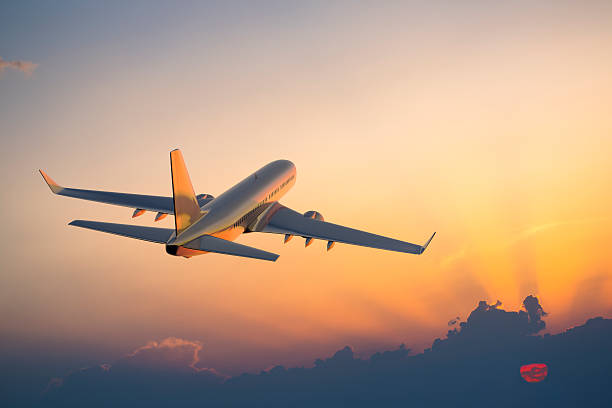
The nearest airports are Jabalpur (200 Kms / 04 Hrs Drive) and Khajuraho (250 Kms / 05 Hrs Drive). Regular flights connect Jabalpur and Khajuraho from all major airports of India.
Places of Interest
Must-visit attractions in and around Bandhavgarh



Plan Your Bandhavgarh Safari Today
Experience the thrill of spotting Bengal tigers in their natural habitat with MP Holidays — your trusted travel partner since 2016.
GET IN TOUCHTrips
& tours
Choose M.P Holidays®
- Approved by “The Ministry of Tourism” (Approval No: 2203270HE874)
- “The Official No.1 Channel Partner” of M.P Tourism (Registration No: MP-TOUR-20221/131888)
- We are Awarded “The Best Travel Agent” by M.P. Government for the three consecutive years. (2016, 2017 and 2018)
- Having offices at
- Surat
- Indore
- Ahmedabad
- Pachmarhi
- Nagpur
- Kanha
- Discover Madhya Pradesh from major cities like Surat, Ahmedabad, Delhi, Mumbai, Nagpur, Pune and beyond—experience the best of India, no matter where you start.
- Own resort at Madhya Pradesh.

Certificate of Excellence for Year 2016

Certificate of Excellence for Year 2017

Certificate of Excellence for Year 2018

With Hon'ble Chief Minister Shivraj Singh Chauhan