Book Appointment
Mandu
Mandu
15th c.
Golden Age
45+
Heritage Monuments
82 sq km
Fort Area
2,000 ft
Plateau Height
About Mandu
A vast Afghan-era plateau city in the Vindhyas
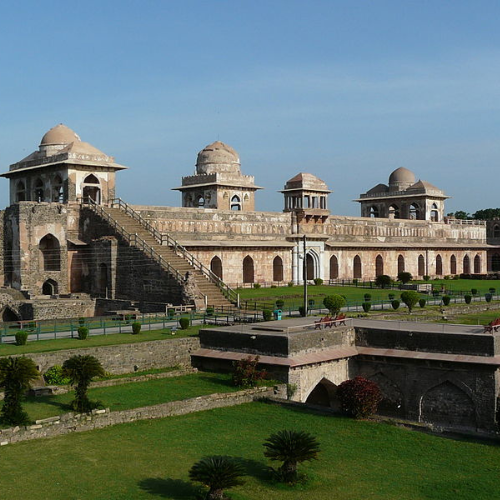
Mandu (or Mandavgad) sits high on the Vindhyan plateau, 100 km from Indore. In the 15th century it was the capital of the Malwa Sultanate — a 'city of joy' under Sultan Hoshang Shah and his successors.
The hilltop ruins of Jahaz Mahal, Hindola Mahal, Roopmati Pavilion and Hoshang Shah's tomb (which inspired the Taj Mahal) are scattered across an 82-sq-km plateau dotted with baobab trees. In the monsoon Mandu becomes Madhya Pradesh's most romantic destination.
At a Glance
Key facts and the best way to experience Mandu
📍
Location
Dhar District, MP — 100 km from Indore
🏰
Famous For
Sultanate-era palaces, Baz Bahadur–Roopmati legend
🏞️
Best Season
July–March (monsoon Mandu is magical)
⏰
Time Needed
2 days
Heritage & Legacy
A timeline of devotion, history and natural majesty
6th c. — Parmar Kingdom
Originally a Parmar Rajput fortress called Mandapa-Durga.
1401 — Hoshang Shah
Hoshang Shah founds the Malwa Sultanate at Mandu; the great construction era begins.
1554 — Baz Bahadur & Roopmati
Sultan Baz Bahadur falls in love with the singer-shepherdess Roopmati — their tragic story is Mandu's defining legend.
Mughal Era
Akbar's army takes Mandu in 1561; Jahangir spends a famed monsoon here in 1617.
Decline & Discovery
After the Marathas Mandu is abandoned; today the plateau is an open-air museum protected by the ASI.
Top Attractions in Mandu
Must-see places on your visit
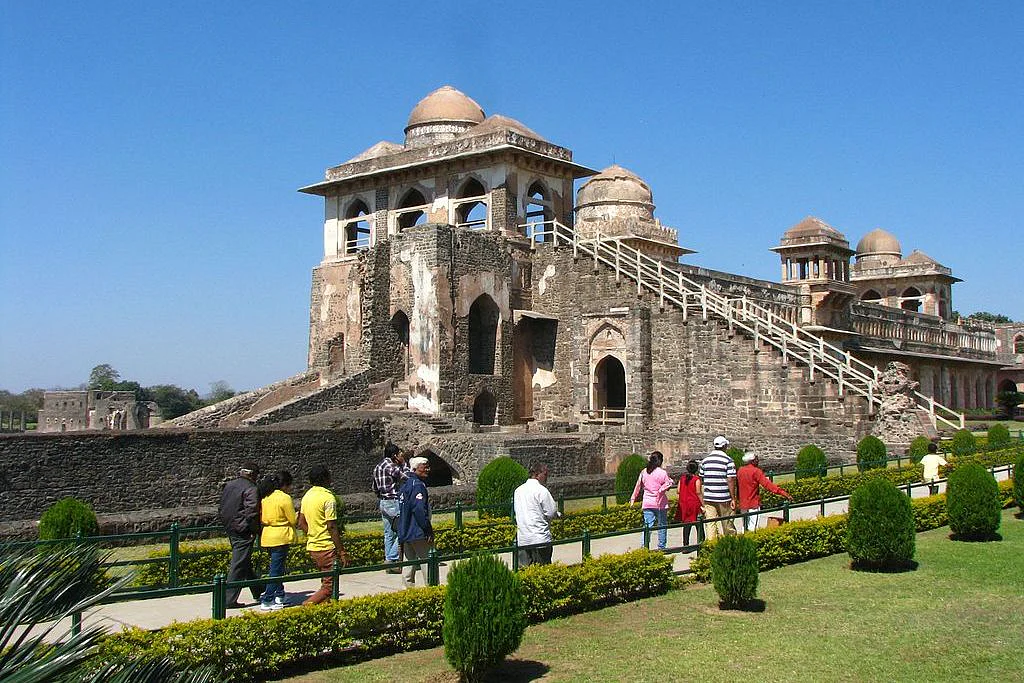
Jahaz Mahal
The 'Ship Palace' between two lakes — long, narrow and floating like a ship, especially after the rains.
Roopmati's Pavilion
A hilltop pavilion where Roopmati would gaze at the Narmada below — Mandu's most romantic spot at sunset.
Hoshang Shah's Tomb
India's first white-marble mausoleum (1440 CE) — Shah Jahan's architects studied it before designing the Taj Mahal.
Hindola Mahal
Jami Masjid
Baz Bahadur Palace
Rewa Kund
Baobab Tree Trail
Nilkanth Mahal
Ashrafi Mahal
Roopmati Sunset Point
How to Reach Mandu
Well connected by road, rail and air across Madhya Pradesh
By Train
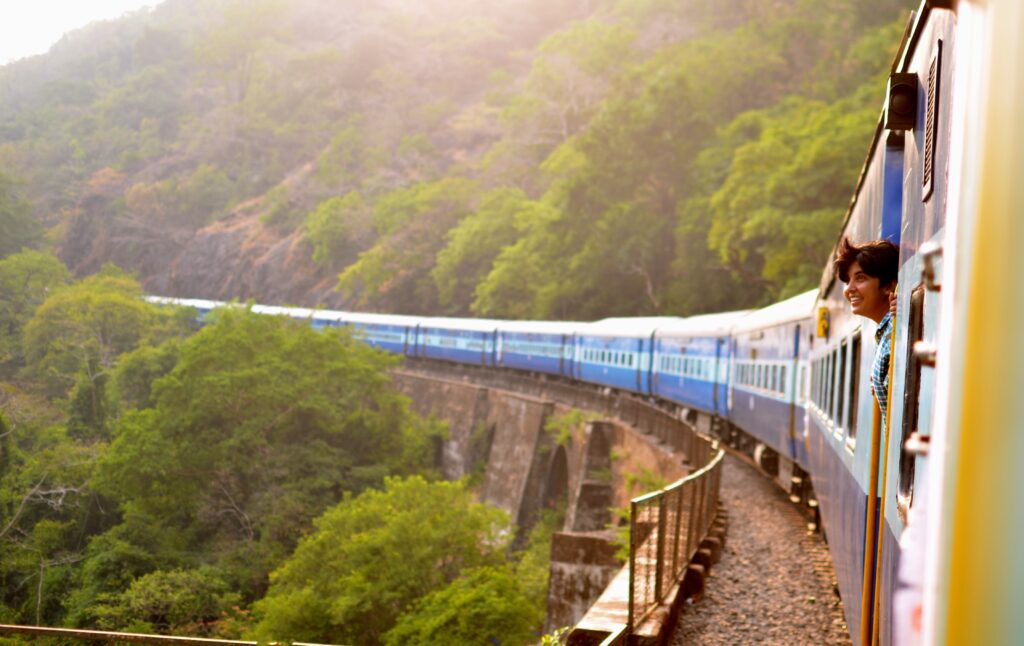
Nearest station is Indore Junction (100 km); Ratlam (130 km) for trains from north.

By Air
Nearest airport is Indore — Devi Ahilyabai (100 km).

By Bus / Road
Buses and taxis from Indore, Dhar and Mhow. Self-drive via Indore–Dhar road is most popular.
Places of Interest
Explore curated experiences around Mandu



Plan Your Mandu Trip Today
M.P. Holidays — your trusted Madhya Pradesh travel partner since 2016 — designs seamless Mandu itineraries, hotels and transport.
GET IN TOUCH
Certificate of Excellence for Year 2016

Certificate of Excellence for Year 2017

Certificate of Excellence for Year 2018

With Hon'ble Chief Minister Shivraj Singh Chauhan
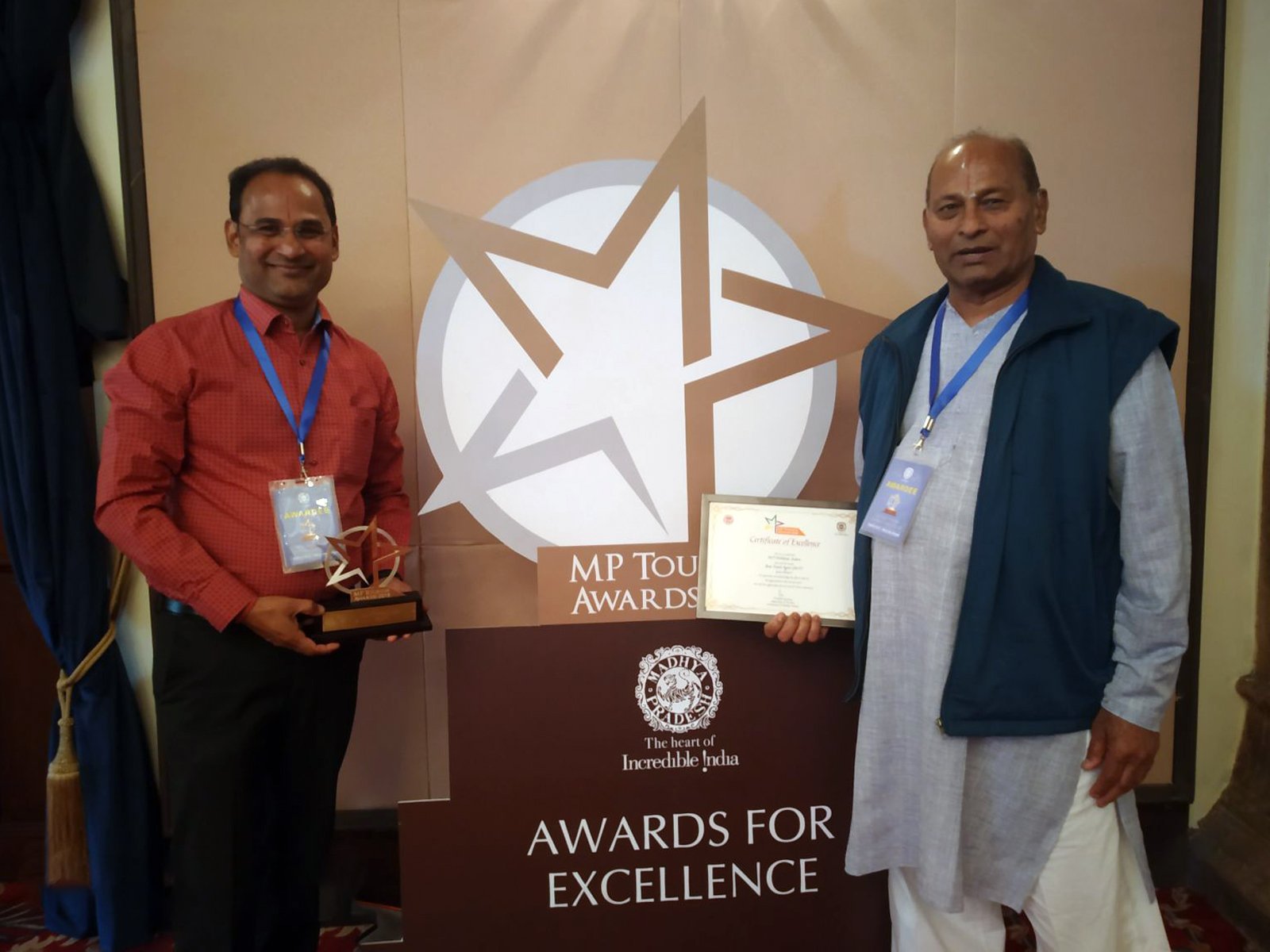
Awarded by M.P Govt from last years