
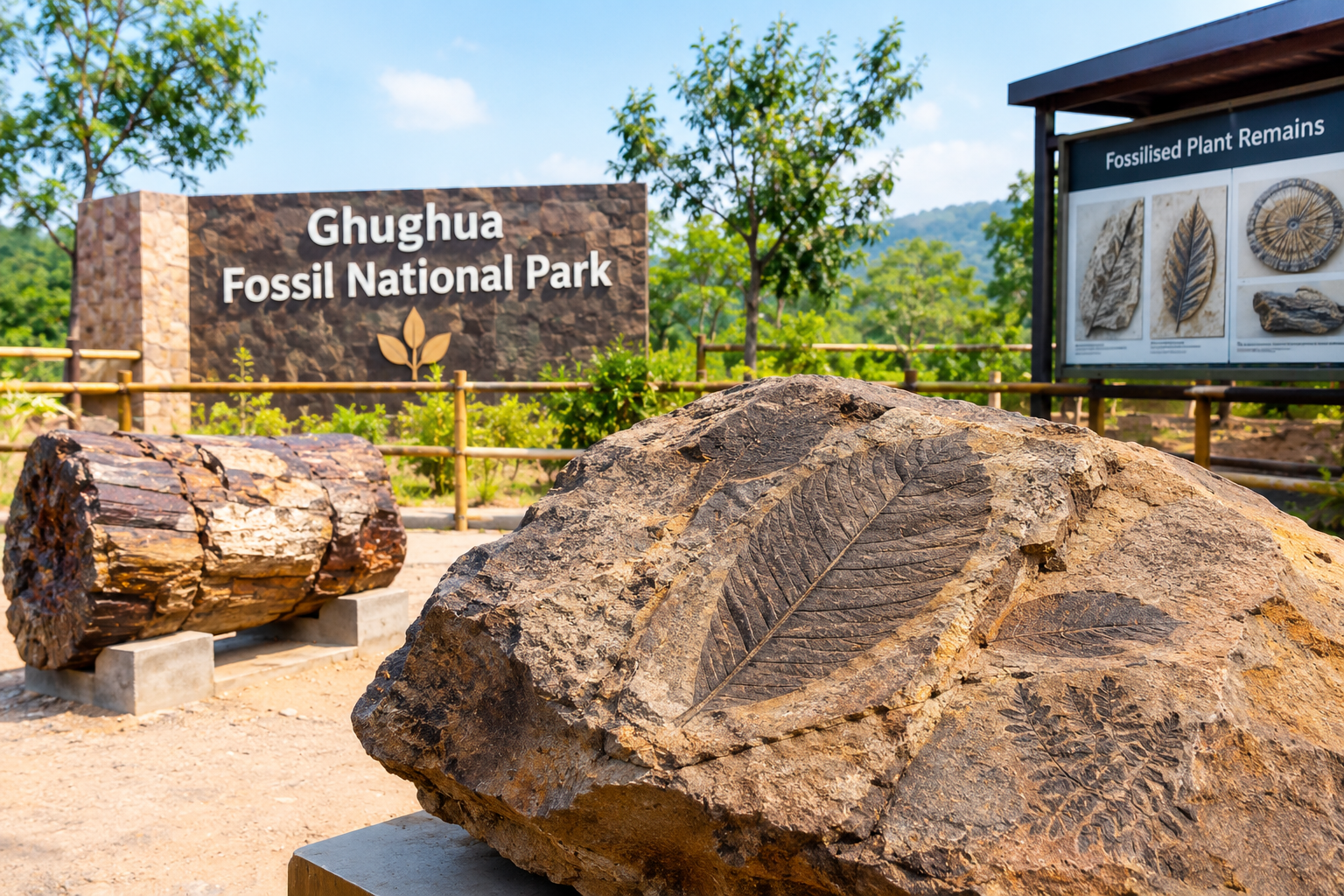
Madhya Pradesh is famous for its wildlife reserves, historic monuments, temples, and beautiful landscapes. However, the state also has attractions that take visitors much further back in time. Ghughua Fossil National Park is one such destination, offering a fascinating look at ancient plant life preserved in fossil form.
Located in the Dindori district, this unusual park contains fossilised leaves, tree trunks, and other plant remains that provide clues about the region’s prehistoric environment. It offers a different experience from a traditional national park because its main attraction is geological and botanical history rather than wildlife safaris.
Whether you are a nature enthusiast, a student, a family traveller, or someone exploring lesser-known places in Madhya Pradesh, Ghughua Fossil National Park deserves a place on your travel list. In this guide, you will discover what to see, the best time to visit, timings to confirm before travelling, and how to reach the park.
Ghughua Fossil National Park is situated in Ghughua village in the Dindori district of Madhya Pradesh. The district administration describes the park as covering approximately 75 acres and containing rare fossils of leaves and trees.
The destination is also known as Ghughwa Fossil Park or Ghughua National Fossil Park. It is an interesting stop for travellers exploring eastern Madhya Pradesh, particularly those planning a road trip around Jabalpur, Kanha, and Bandhavgarh.
Unlike a conventional wildlife destination, this park focuses on preserving evidence of ancient vegetation. Visitors can observe fossil specimens and learn how plant remains became preserved over millions of years.
If you want to explore more destinations across the state, browse our guide to National Parks in Madhya Pradesh.
The main attraction of Ghughua Fossil National Park is its collection of plant fossils. These specimens provide information about vegetation that existed in the region millions of years ago.
According to the Dindori district government, the fossils represent plant life from approximately 40 million to 150 million years ago. Identified specimens include petrified tree trunks, palms, and other ancient plant groups.
Here are the main things to look for during your visit.
Petrified wood is one of the most fascinating features of a fossil park. Over long periods, minerals can replace or fill the original plant material, preserving its structure in a rock-like form.
At Ghughua, visitors can observe fossilised tree remains and their distinctive textures. These specimens help illustrate how ancient plants can survive in the geological record long after the original trees have disappeared.
Leaves can leave impressions or other preserved structures in sediment. Such fossils help researchers study the shape and characteristics of plants that lived in earlier geological periods.
The fossil displays at Ghughua offer visitors an opportunity to appreciate these natural records. They can also make the visit more engaging for children and students interested in biology, geology, and environmental science.
The park contains fossils associated with different plant groups, including gymnosperms, angiosperms, and palms. These specimens help explain the diversity of ancient vegetation in the region.
The collection makes Ghughua especially interesting for visitors who want to understand how plant life has changed over geological time.
Ghughua offers a learning experience that differs from sightseeing at forts, temples, and wildlife reserves. Instead of looking for animals, visitors can explore the history preserved in fossilised plant remains.
The destination may appeal to:
Families looking for an educational outing.
School and college students studying natural history.
Geology and botany enthusiasts.
Travellers interested in unusual destinations.
Visitors exploring the wider Dindori and Jabalpur region.
Before visiting Ghughua Fossil National Park, confirm its current opening hours with the local authorities. Some travel guides report daytime visits, often from sunrise to sunset, but the Dindori district government’s tourist information page does not publish a confirmed daily schedule.
Opening arrangements can change, so it is sensible to check the latest information before beginning your journey.
For a general sightseeing visit, you may wish to allow around 30 minutes to one hour to explore the visible displays. However, the time needed depends on your interests, the available exhibits, and any interpretation facilities open during your visit.
If you are travelling with children or have a particular interest in fossils, allow extra time to examine the displays carefully.
Remember to account for driving time, parking, and local arrangements when planning the rest of your day.
The cooler months from October to February are generally comfortable for outdoor sightseeing in Madhya Pradesh. During this period, visitors can usually explore outdoor attractions without the intense heat experienced during summer.
Here is a seasonal overview to help plan your trip.
This period is often suitable for exploring natural and historical attractions. Comfortable daytime temperatures can make walking around the park more enjoyable.
Summer temperatures can rise considerably across Madhya Pradesh. If you plan to visit during these months, consider starting early, carrying drinking water, and protecting yourself from the sun.
The monsoon brings rainfall to the region. Although the landscape can become greener, wet conditions may affect roads and walking surfaces. Check local weather and access conditions before travelling.
Your ideal visiting time will depend on the weather, road conditions, and your wider Madhya Pradesh itinerary.
Ghughua Fossil National Park is accessible by road. According to the Dindori district administration, Jabalpur Airport is the nearest airport listed for air travel, Jabalpur Junction is the nearest railway station listed, and the park can be approached through a detour from Shahpura on the Jabalpur–Amarkantak road.
Jabalpur Airport, also known as Dumna Airport, is the airport identified by the district tourism authority for reaching the area.
After arriving in Jabalpur, you can arrange a taxi or private vehicle for the onward journey. Check flight availability and road travel time before finalising your plans.
Jabalpur Junction is the nearest major railway station listed by the Dindori district tourism authority.
From the station, arrange a taxi or pre-booked vehicle to reach the park. If you plan to visit during a holiday period, booking your onward transport in advance can make the trip more convenient.
Road travel is a practical way to visit Ghughua Fossil National Park. The district tourism page identifies a detour of approximately 15 km from Shahpura on the Jabalpur–Amarkantak road. Verify the route and current road conditions before departure.
You can use a navigation app for directions, but check the final approach locally if you encounter unclear road signs or route information.
Yes, Ghughua Fossil National Park may be included in a wider Madhya Pradesh road trip. Its location makes it a potential stop for travellers exploring the region around Kanha and Bandhavgarh, although the best route will depend on your starting point and overall itinerary.
If your holiday focuses on wildlife, plan your fossil park visit around your safari bookings and transfer times. Avoid adding too many destinations to a single day, as longer road journeys can make the itinerary tiring.
You can explore our Kanha destination guide to learn more about planning a wildlife holiday. For a broader overview of available journeys, visit our Madhya Pradesh tour packages.
MP Holidays can help travellers explore different destinations across Madhya Pradesh and plan an itinerary around their dates, interests, and preferred travel arrangements.
A little preparation can help you enjoy the visit while respecting the park's natural and scientific value.
Wear comfortable footwear: Choose shoes suitable for walking around outdoor displays.
Carry drinking water: This is especially important during warmer weather.
Use sun protection: Carry a hat and sunscreen if you expect to spend time outdoors.
Follow visitor instructions: Stay on permitted paths and follow any directions from park staff.
Do not collect fossils: Leave every specimen where it belongs. Removing or damaging fossils can reduce the scientific and educational value of the site.
Confirm opening hours: Check the latest schedule and any entry requirements before leaving.
Plan transport in advance: Public transport connections to the park itself may be limited, so consider arranging a private vehicle.
Check the weather: Rain and summer heat can affect the comfort of your visit.
These simple precautions can make your trip easier and help preserve this special destination for future visitors.
If you have additional time, consider combining Ghughua Fossil National Park with other destinations in Madhya Pradesh. The best combination depends on your interests and the amount of time available.
Kanha is known for its forests, wildlife, and safari experiences. It is an option for travellers who want to combine natural history with a wildlife holiday.
Bandhavgarh is another well-known wildlife destination. You can consider it as part of a larger itinerary, provided you allow enough time for road transfers and safari arrangements.
Jabalpur can serve as a transport hub for travellers exploring this part of Madhya Pradesh. Depending on your schedule, you can plan sightseeing around the city before or after visiting Ghughua.
For more ideas, read our guide to National Parks in Madhya Pradesh.
Ghughua Fossil National Park is worth considering if you enjoy geology, botany, natural history, or less familiar tourist attractions. Its preserved plant remains provide a different perspective on Madhya Pradesh's natural heritage.
The park may not require an entire day for a short visit, but it can add educational value to a road trip. Families, students, and curious travellers can discover how fossils preserve evidence of ancient environments.
Before visiting, confirm opening arrangements and plan your transport carefully. If you are exploring Kanha, Bandhavgarh, or Jabalpur, consider whether Ghughua fits comfortably into your route.
Ghughua Fossil National Park is one of Madhya Pradesh's distinctive attractions, offering a glimpse into ancient plant life through its collection of fossilised remains. It provides a different kind of sightseeing experience for families, students, and travellers interested in natural history.
With planning, you can include the park in a road trip around Dindori, Jabalpur, Kanha, or Bandhavgarh. Confirm current visitor information before setting out, follow the park's instructions, and leave all fossils undisturbed.
For help planning a wider Madhya Pradesh holiday, explore MP Holidays' tour packages or contact the team through the MP Holidays contact page.
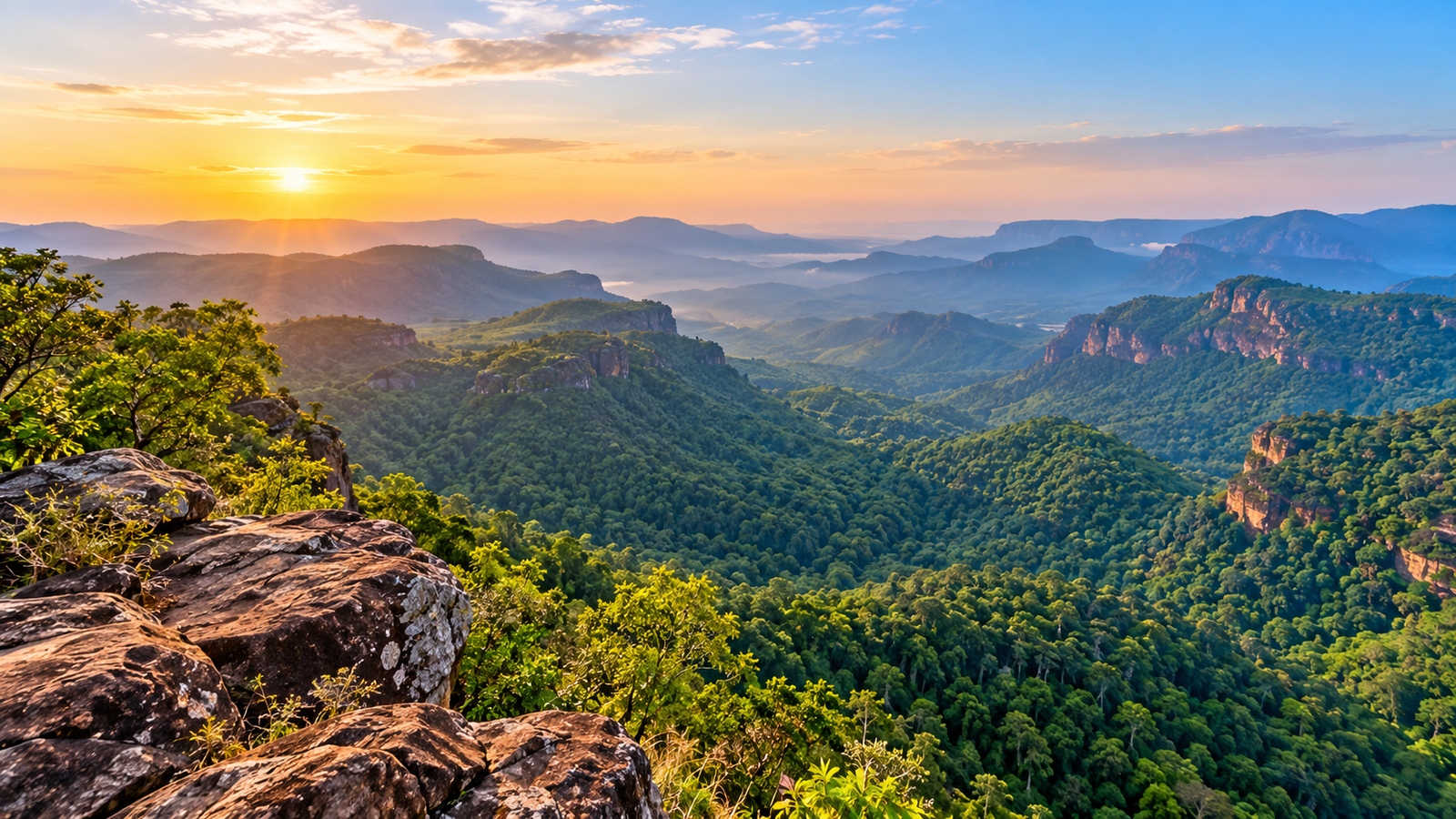 Mountain Ranges in Madhya Pradesh: Vindhya, Satpura and the Highest PeakRead more →
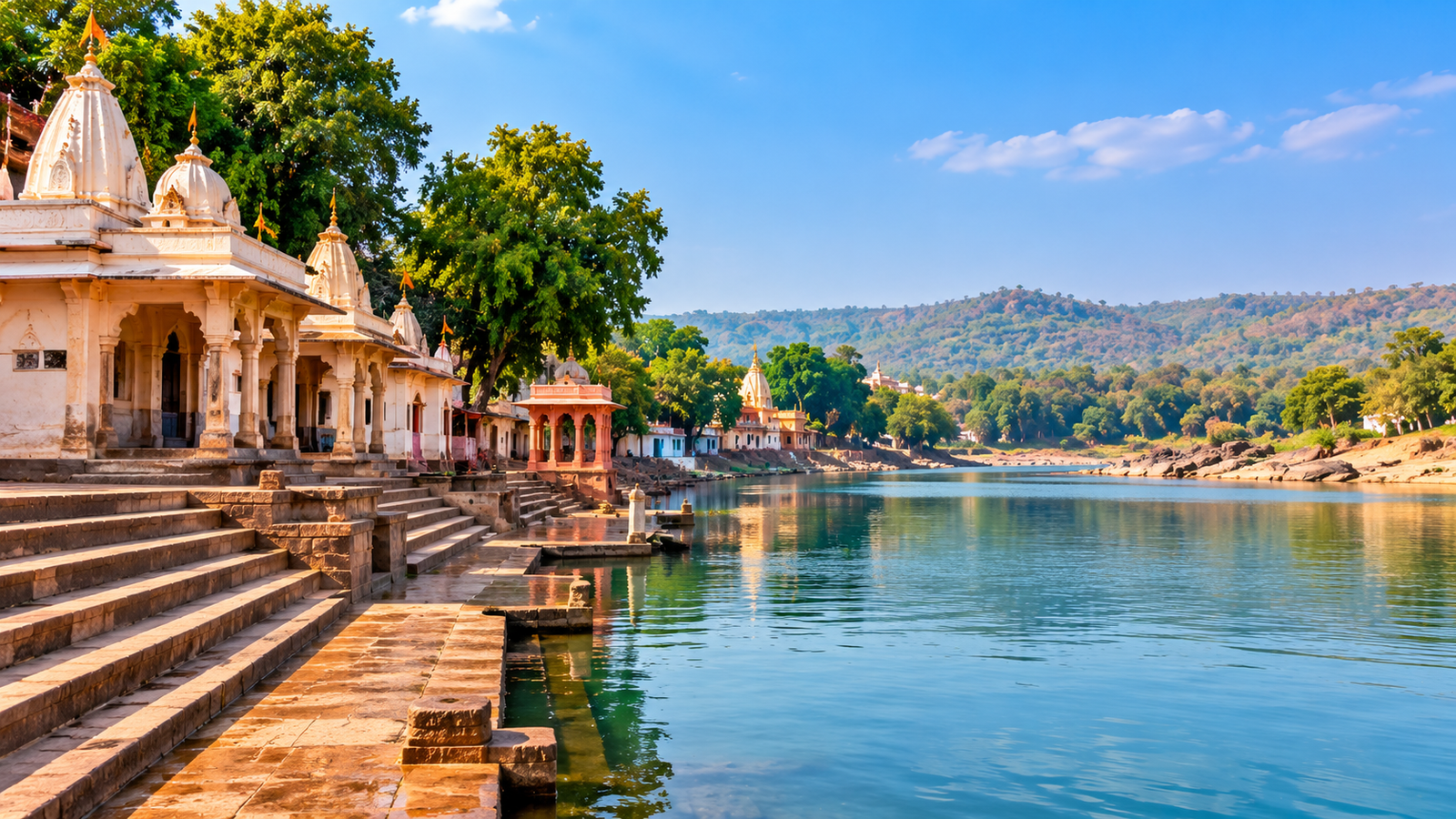 Raghav Prayag Ghat, Chitrakoot: Significance, Aarti and How to ReachRead more →
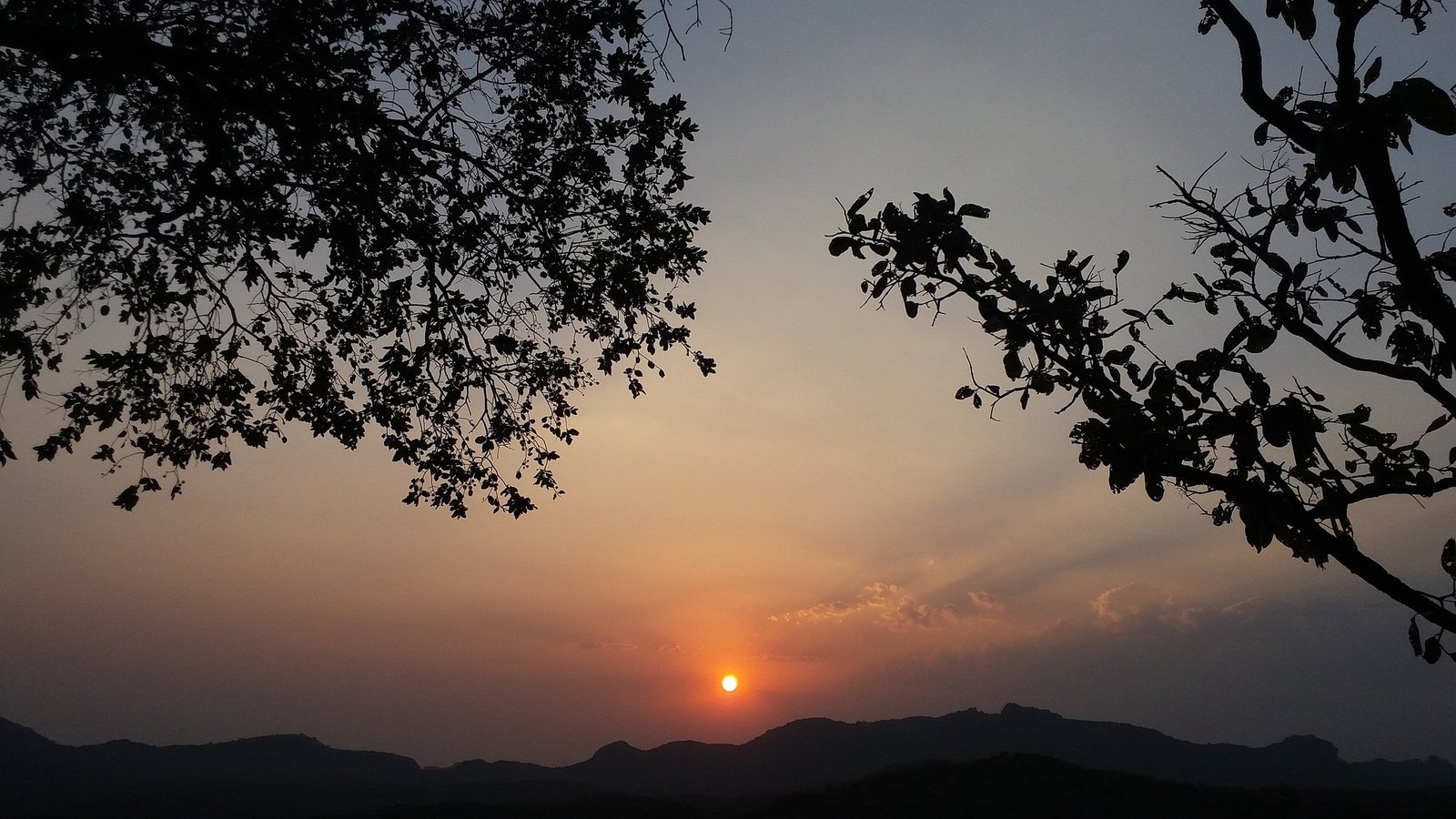 Rajendra Giri Sunset Point, Pachmarhi: Timings and Best ViewsRead more →
 White Church, Indore: History, Timings and How to ReachRead more →
Tell us your dates and we will send a custom itinerary. Free quote, no obligation.
Everything travellers ask us most often. Still unsure? Message us on WhatsApp and a real MP Holidays expert will reply.