Govt. of M.P. Award-Winning Travel Agency · Since 2003 f◎▶
Home › Destinations › Amarkantak

Amarkantak

Complete travel guide: places of interest, history, how to reach, packages, photos and videos.

Amarkantak

3
Sacred Rivers Origin
1065m
Altitude Above Sea
20+
Ancient Temples
5+
Pristine Waterfalls

About Amarkantak

A sacred pilgrim town where nature, spirituality and history meet at the origin of three holy rivers

Amarkantak is a unique natural and spiritual heritage area located in the Anuppur district of Madhya Pradesh. It is the meeting point of the Vindhya and Satpura ranges, with the Maikal Hills serving as the fulcrum, and is revered as the birthplace of three holy rivers - the Narmada, the Son and the Johila.

The name Amarakantaka is a combination of two Sanskrit words - amara (immortal) and kantaka (obstruction or thorn). The great poet Kalidas referred to it as Amarakuta, which over time evolved into Amarakantaka.

For centuries, sages, saints and devotees have walked this hallowed plateau to seek the source of the Narmada - a river considered older than the Ganges. The plateau, dotted with ancient Kalachuri-era temples, dense Sal forests, and rolling waterfalls, offers a rare blend of devotion and serenity.
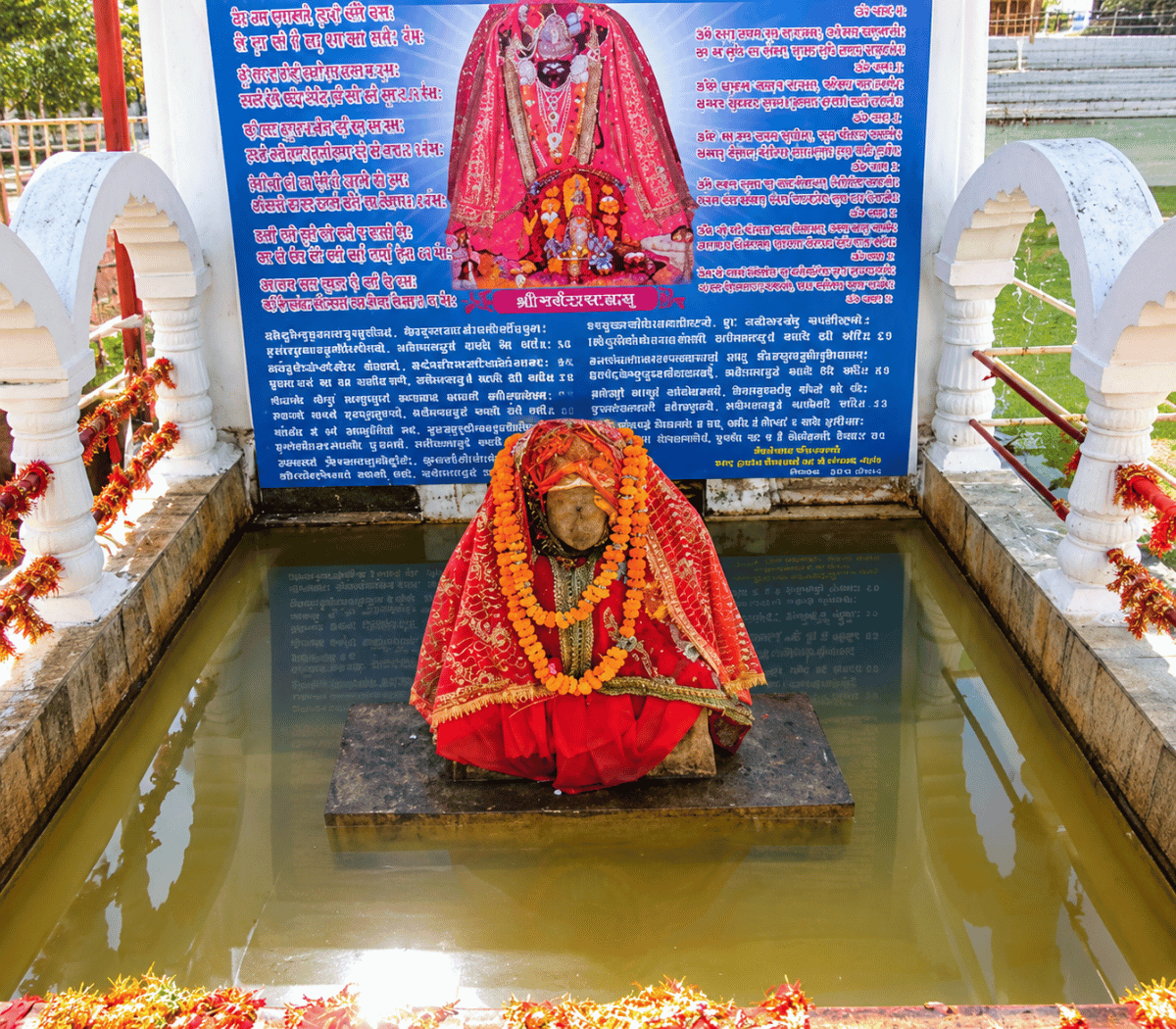
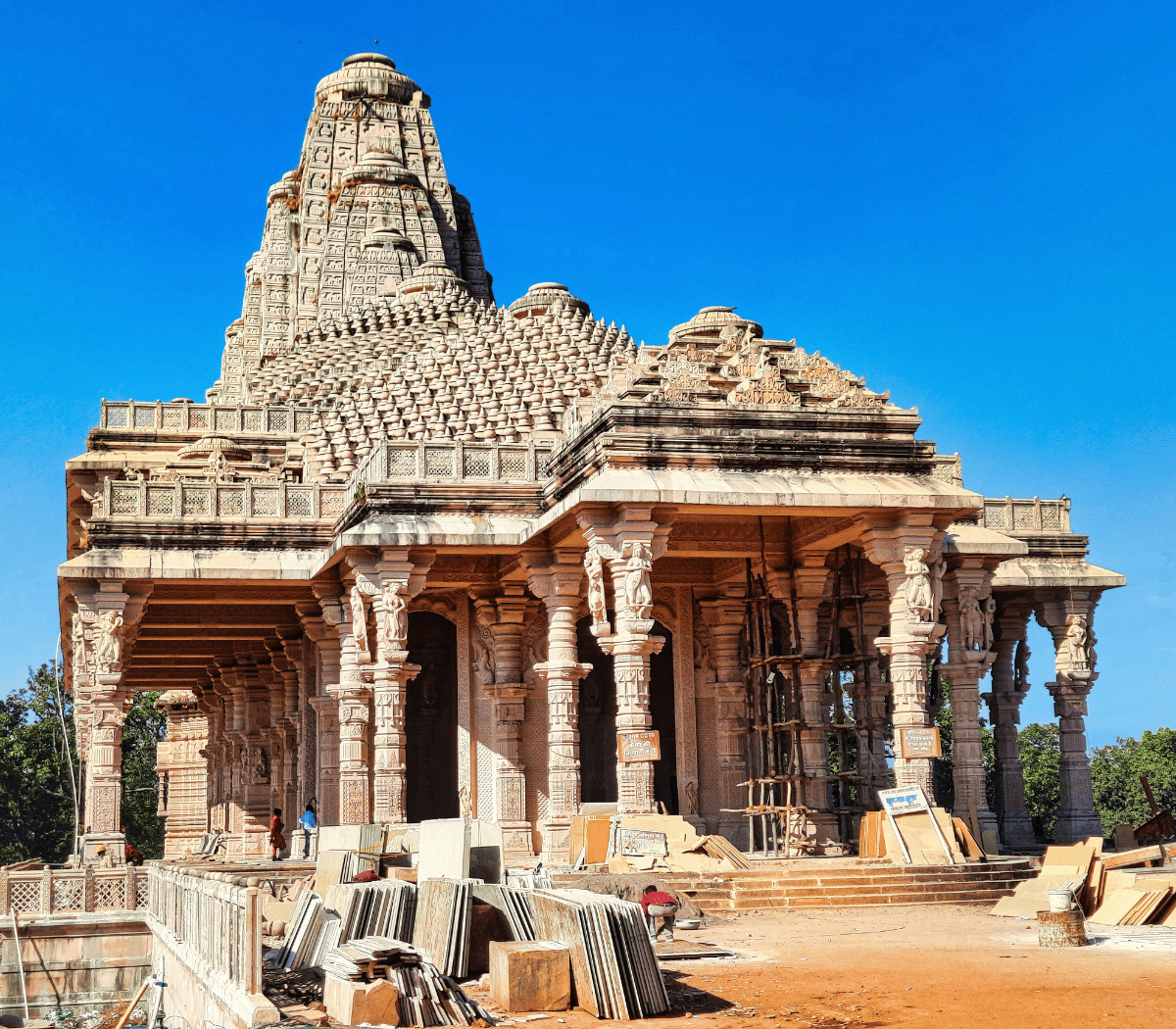
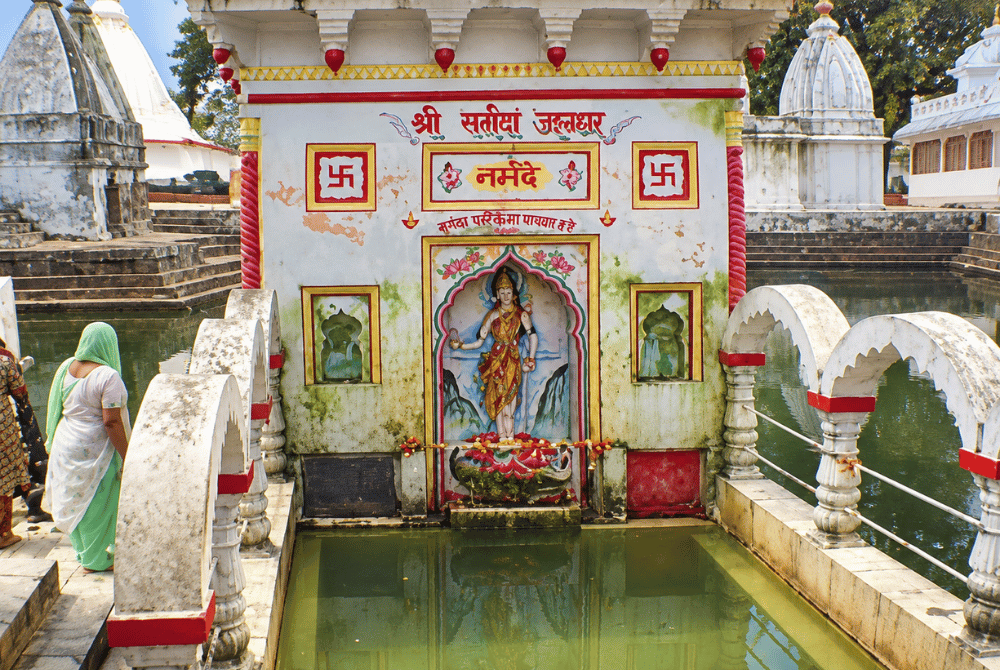
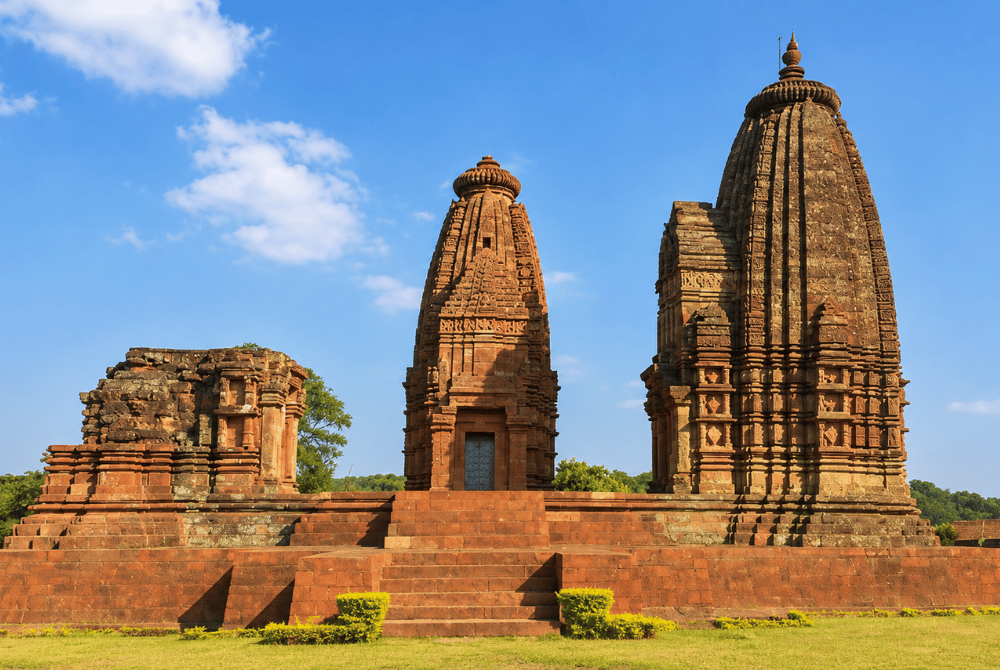
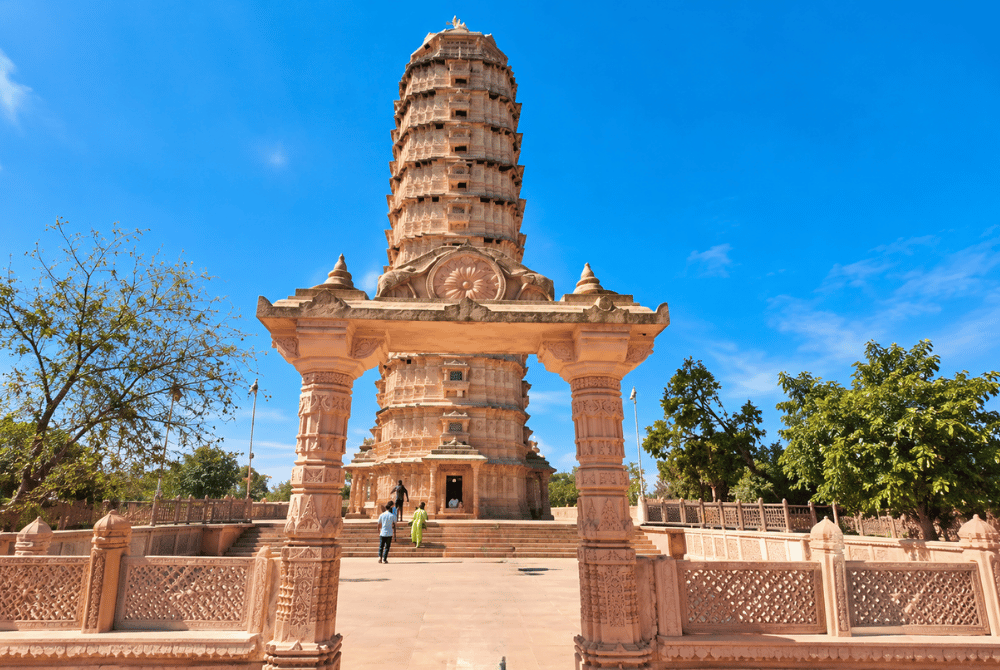
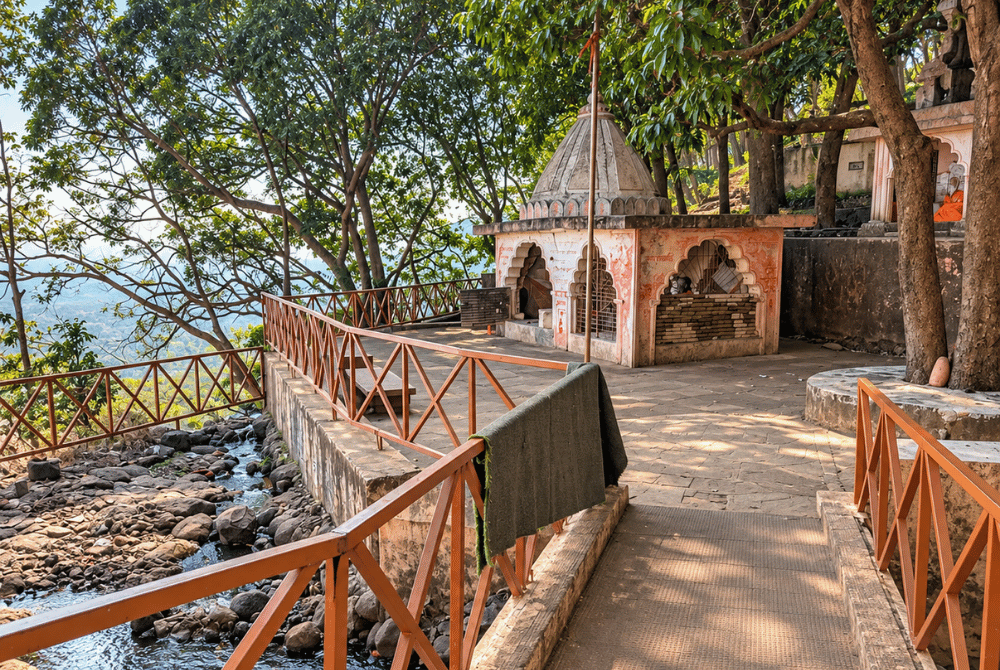
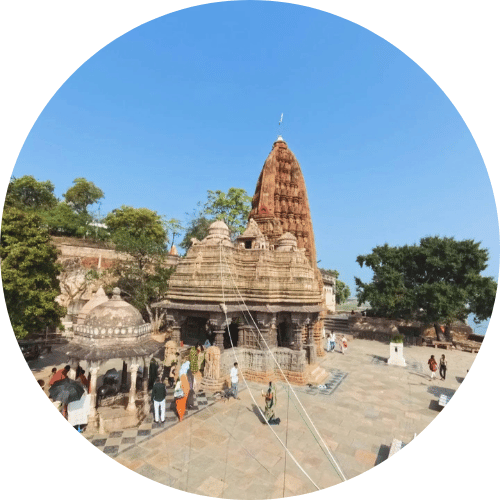
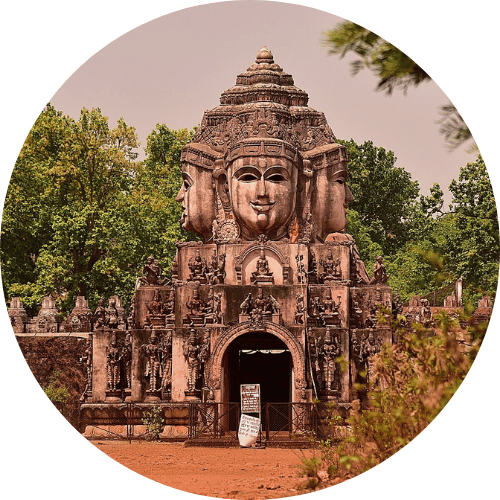
Narmada Udgam temple
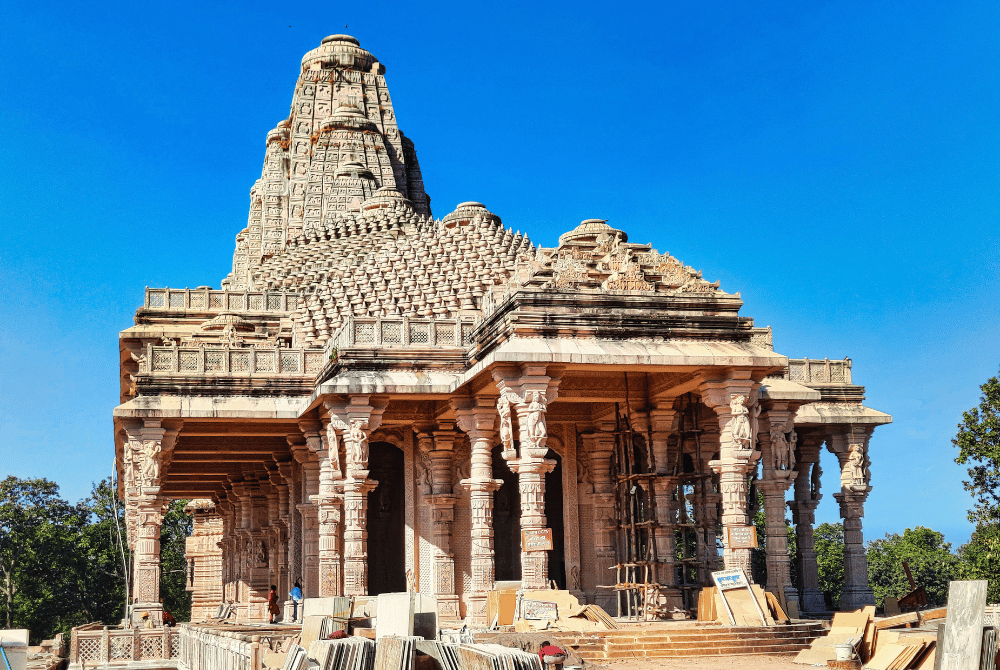
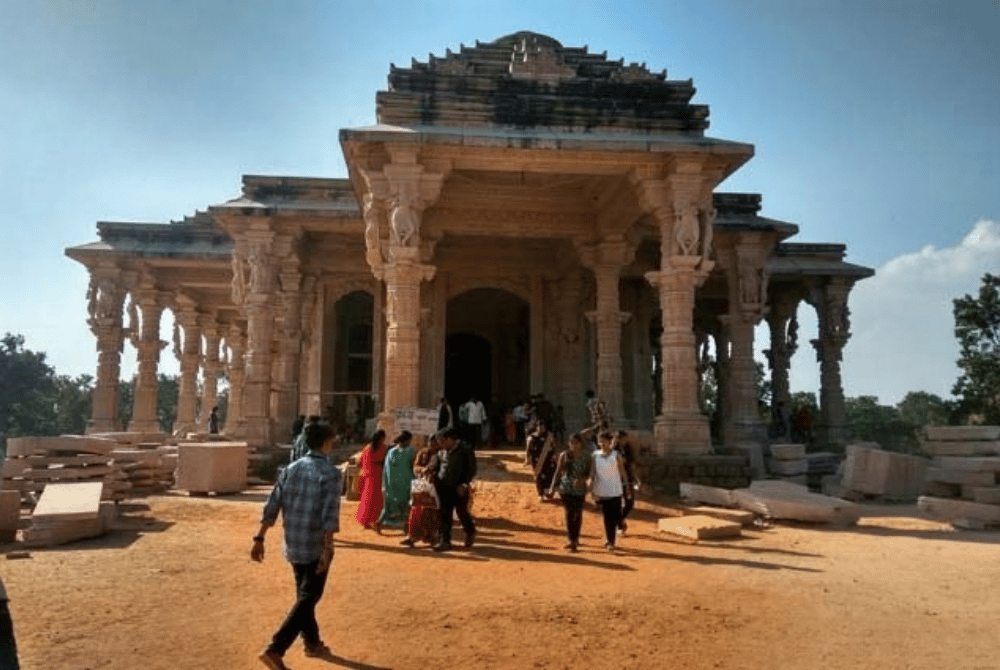
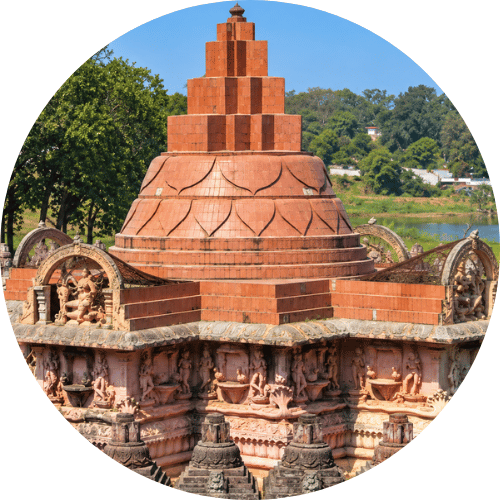
Shri Sarvodaya Digamber Jain Temple
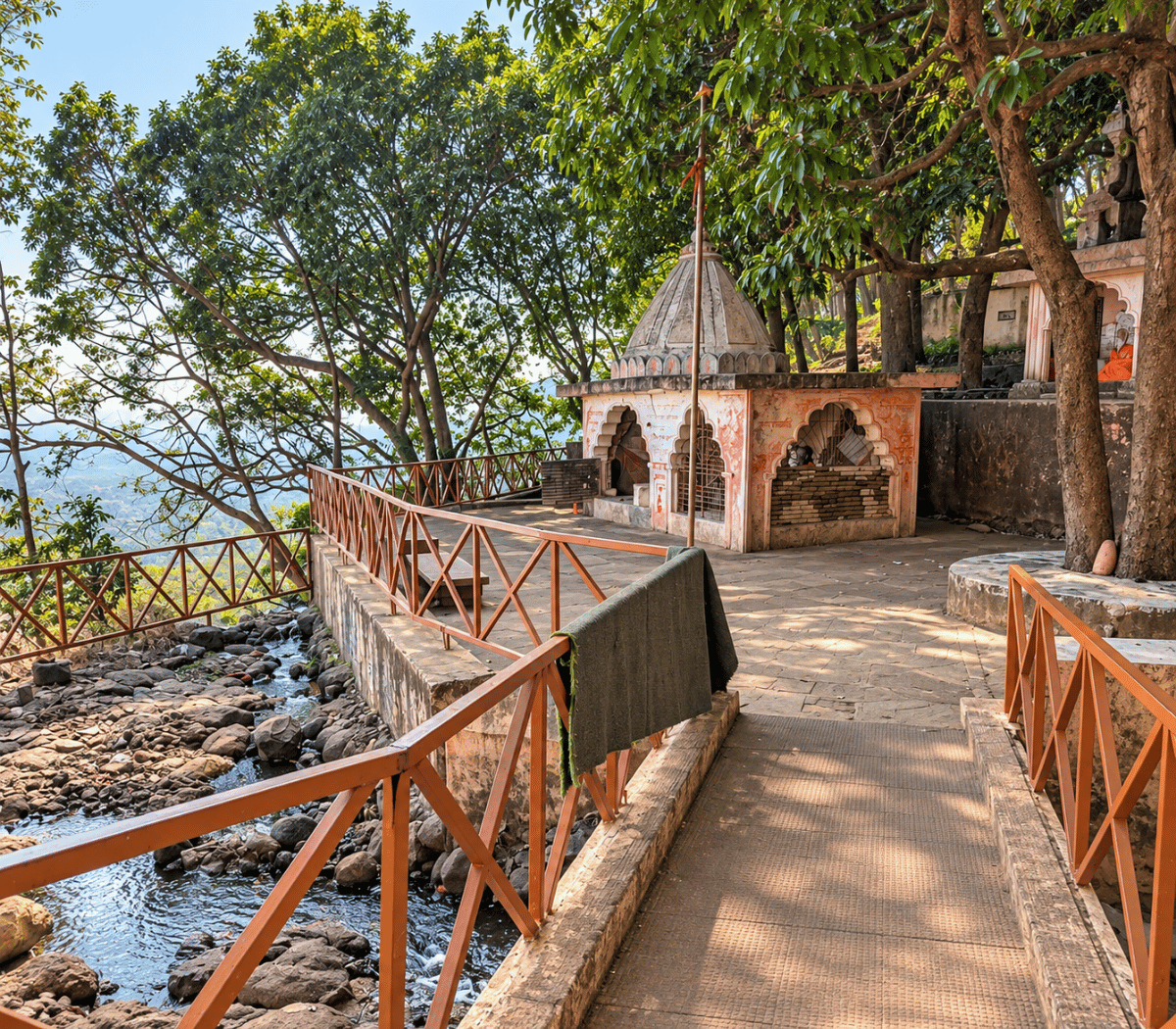
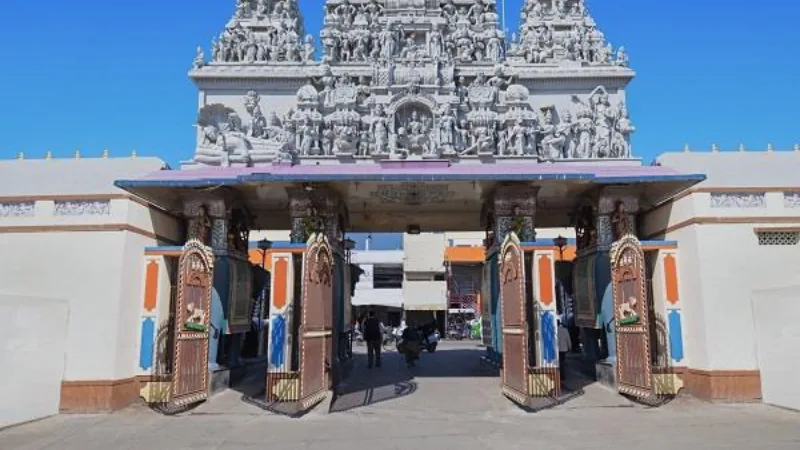
Son Udgam Temple
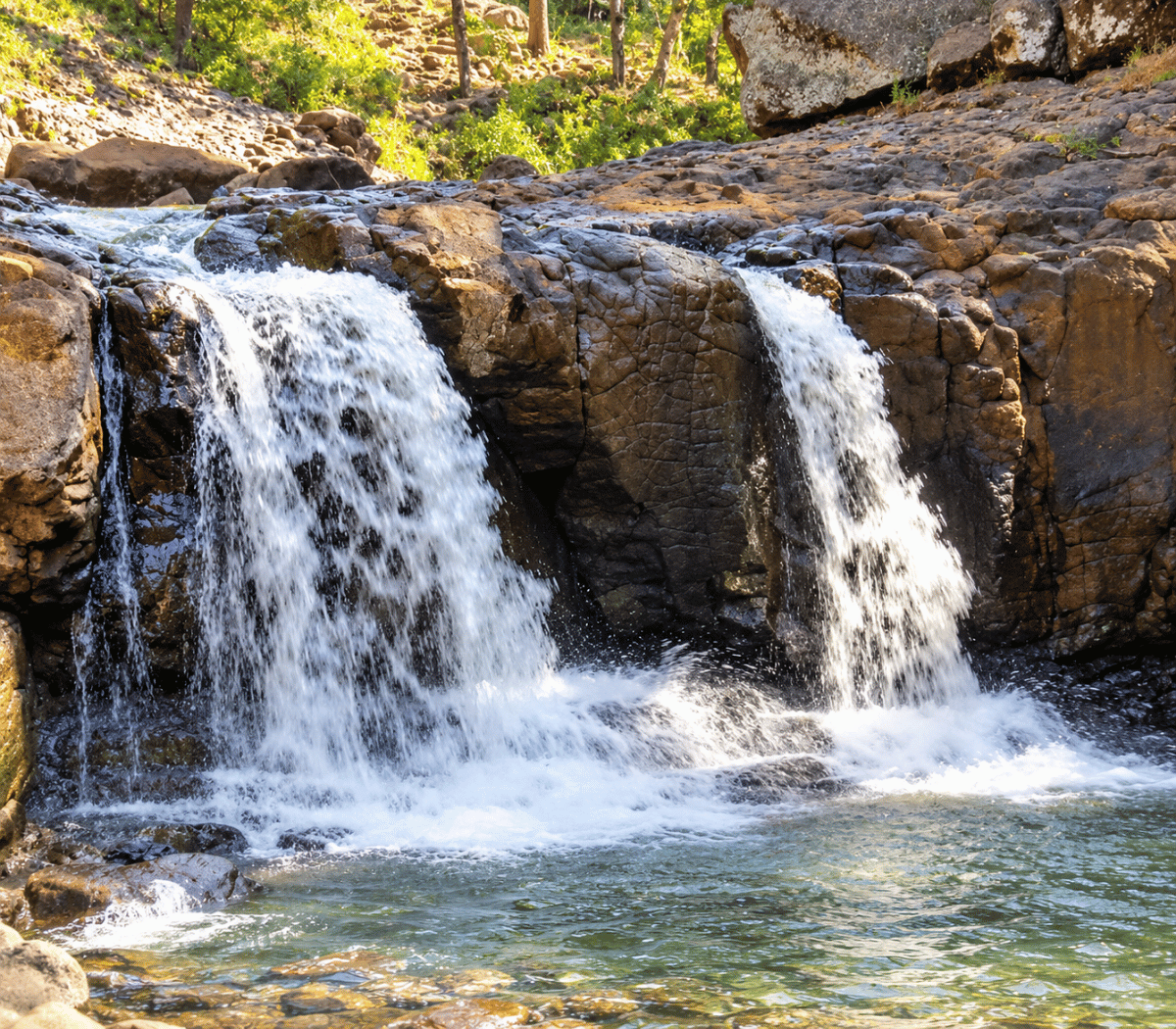
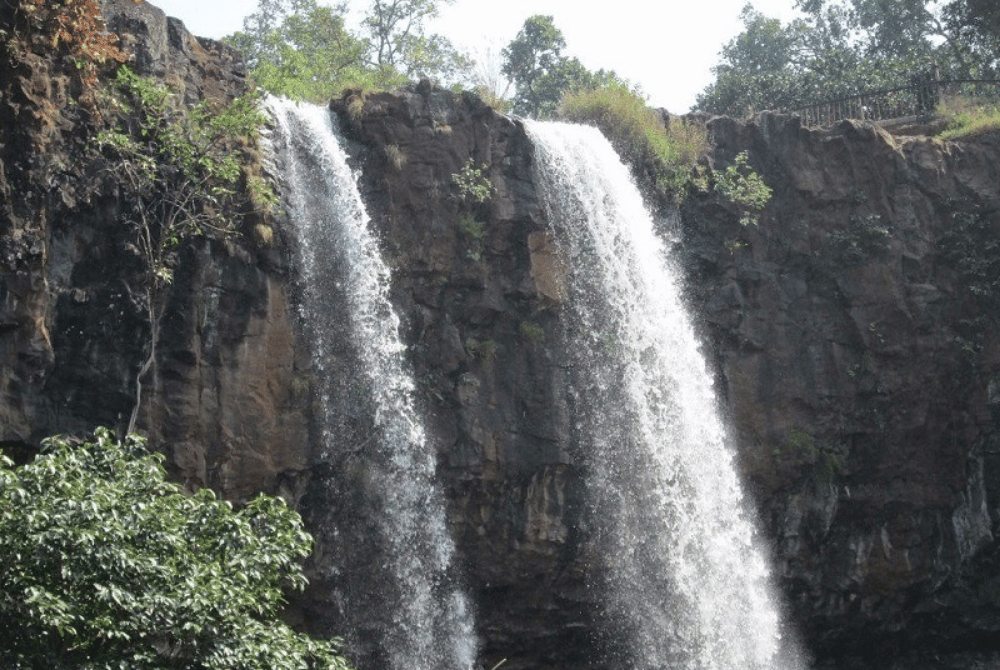
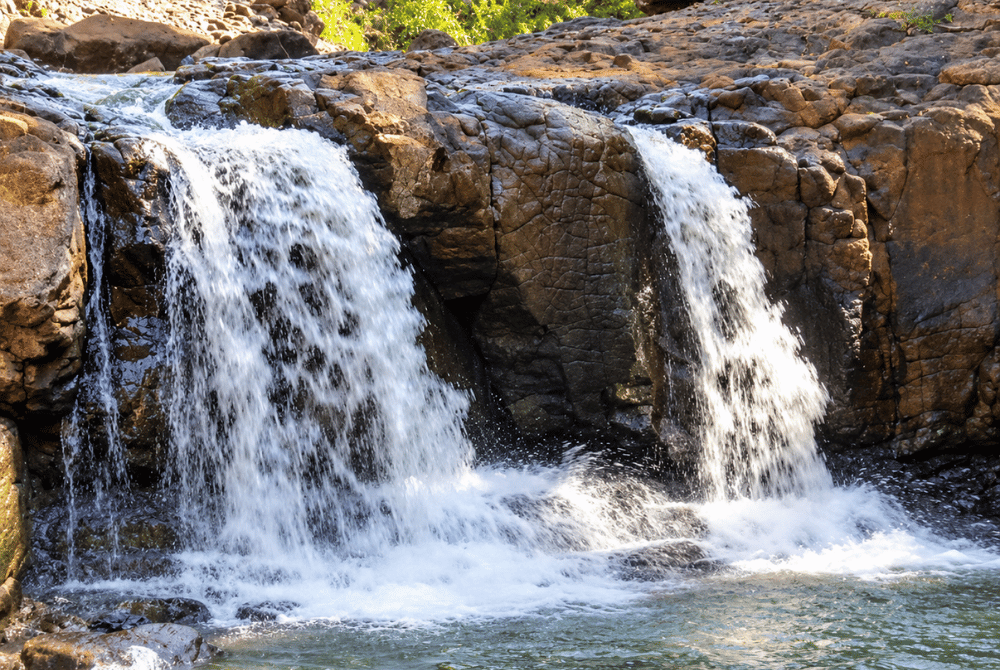
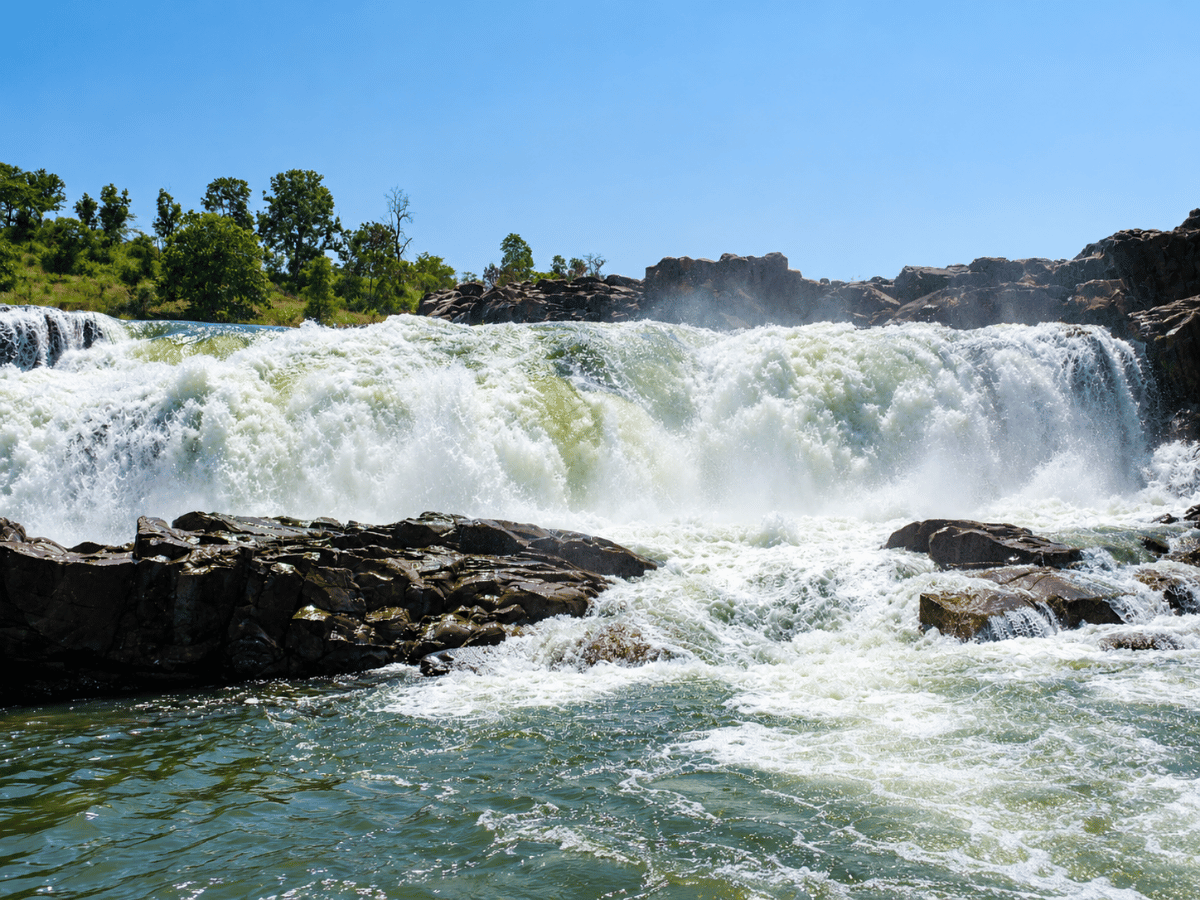
Dudh Dhara Falls
🔍 Click to view
×

Places of Interest in Amarkantak

The most sacred and beautiful places to visit on the holy plateau

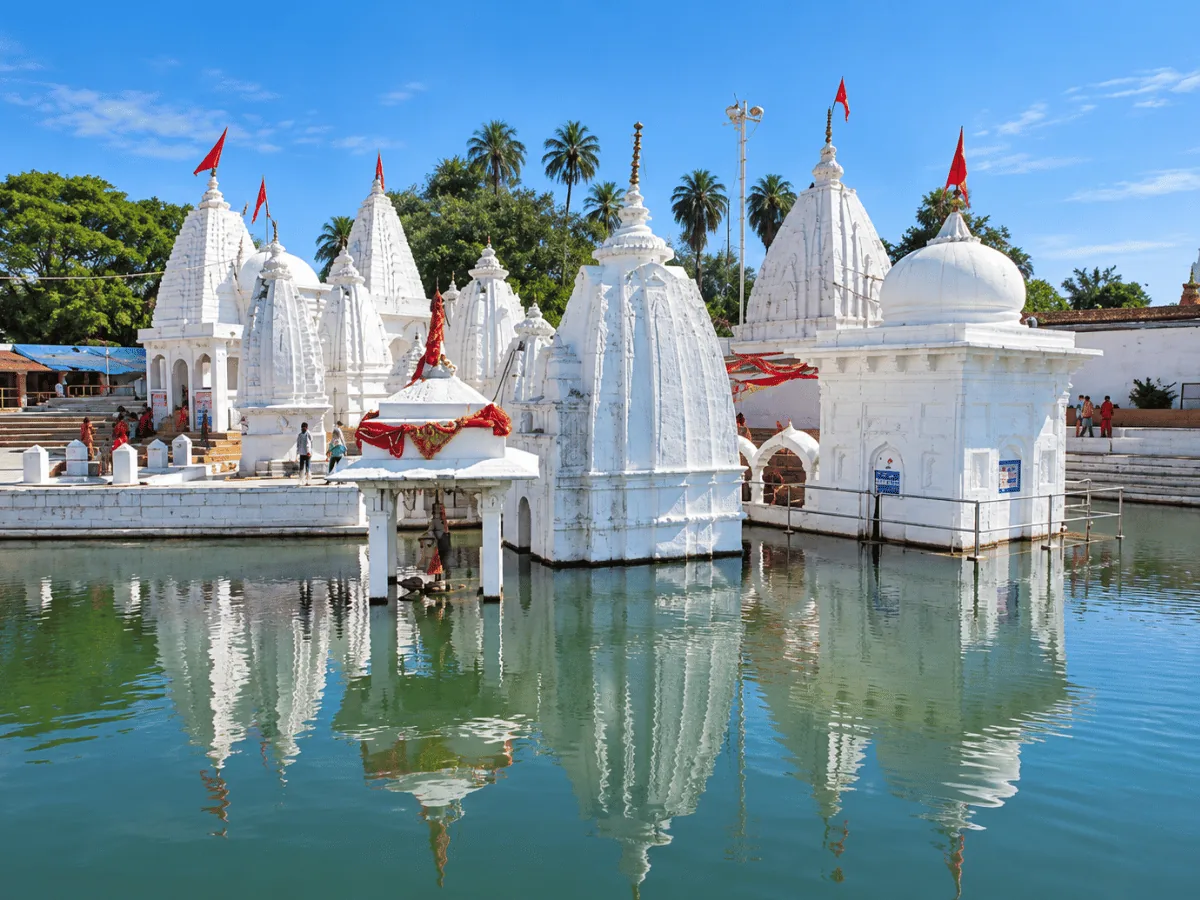
Narmada Udgam Temple

Narmada Udgam Temple

The exact birthplace of the holy Narmada river. The temple complex houses the sacred kund from which the river emerges, with shrines dedicated to Narmada Mata.

Kapil Dhara Falls

Kapil Dhara Falls

A breathtaking 100-foot waterfall on the Narmada, named after sage Kapil Muni who is believed to have meditated here. Wrapped in dense Sal forests.

Shri Yantra Mandir

Shri Yantra Mandir

A spiritually charged temple built on the principles of the sacred Shri Yantra, dedicated to Mahalakshmi and Mahasaraswati, drawing devotees year-round.

How to Reach Amarkantak

Well connected by road, rail and air across Madhya Pradesh

By Train - Amarkantak

By Train

Nearest railway stations are Pendra Road (17 km) and Anuppur (48 km), both well connected to major cities across central India.
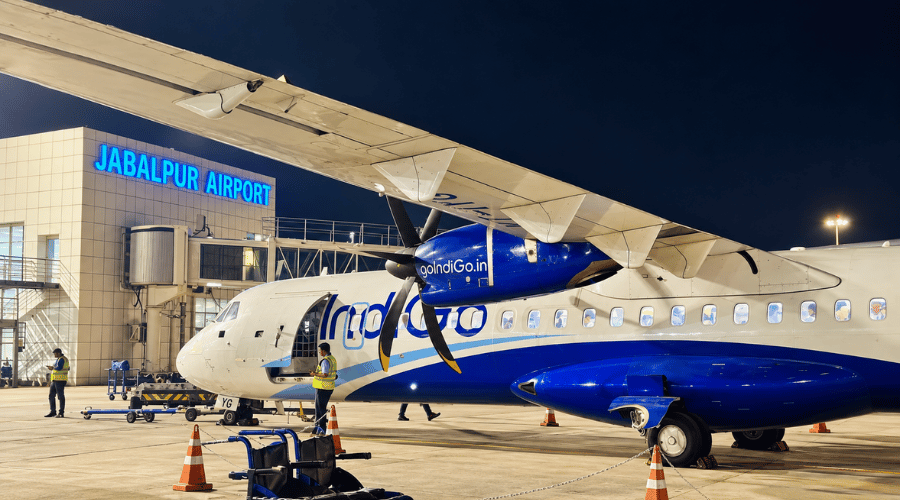
By Air - Amarkantak

By Air

The nearest airport is Jabalpur (245 km), with regular flights from Delhi, Mumbai, Bhopal and Hyderabad. Raipur is another option.

By Bus / Road - Amarkantak

By Bus / Road

Smooth road connectivity from Shahdol, Bilaspur and Rewa. State buses and taxis are easily available from nearby districts.

Amarkantak Tour Packages

Handcrafted itineraries by M.P. Holidays - customised to your dates, budget and pace

Simply Superb M.P. (9 Nights / 10 Days)

Simply Superb M.P. (9 Nights / 10 Days)

9 Nights / 10 Days
  • Mahakal temple and the Mahakal corridor at Ujjain
  • Omkareshwar and Mamleshwar darshan
  • A night at Indore with sarafa street food
  • Marble rocks and Dhuandhar falls at Bhedaghat
  • Narmada Udgam Temple and Kapildhara waterfall at Amarkantak
  • One jungle safari at Kanha by gypsy with entry and guide charges
  • Three nights at Pachmarhi with gypsy sightseeing
  • All meals - breakfast, lunch and dinner
Magical Madhya Pradesh

Magical Madhya Pradesh

7 Nights / 8 Days
  • Three nights at Pachmarhi, the Satpura hill station
  • Two days Pachmarhi sightseeing by gypsy with one-day entry and guide charges
  • One ride jungle safari at Kanha by gypsy with entry and guide charges
  • Narmada Udgam Temple and Kapil Dhara waterfall at Amarkantak
  • Marble rocks and Dhuandhar Falls at Bhedaghat
  • All meals - breakfast, lunch and dinner for 7 days
  • Three hotel options to choose from
Wild & Divine MP

Wild & Divine MP

5 Nights / 6 Days
  • Marble rocks and Dhuandhar falls at Bhedaghat
  • Narmada Udgam Temple and Kapildhara waterfall at Amarkantak
  • Ancient temples of the Kalchuri period
  • One jungle safari at Kanha by gypsy with entry and guide charges
  • All meals included - breakfast, lunch and dinner
  • Bargi dam and Jabalpur city tour
  • Balancing rocks, Madan Mahal fort and Kachnar city

Heritage & Legacy

Centuries of devotion, royal patronage and natural majesty

Amarkantak heritage

Vedic Era - The Eternal Land

Mentioned in ancient Hindu scriptures as the divine plateau, Amarkantak is considered one of the most sacred spots in India - the source of the Narmada, a river worshipped as a goddess.

10th - 11th Century - Kalachuri Dynasty

The Kalachuri kings of Tripuri built a magnificent group of temples at Amarkantak, many of which still stand today as fine examples of medieval north-Indian temple architecture.

Mention by Kalidas

The classical Sanskrit poet Kalidas refers to this region as Amarakuta in his works, attesting to its spiritual reputation across the subcontinent for nearly two millennia.

Modern Pilgrimage Centre

Today Amarkantak is among the most important pilgrimage and eco-tourism circuits of Madhya Pradesh, blending temple darshans, waterfall trails and serene forest walks.

Biosphere & Conservation

The Amarkantak plateau is part of the Achanakmar-Amarkantak Biosphere Reserve, protecting its rich Sal forests, medicinal plants and the catchment of the holy rivers.

Experience Amarkantak

A glimpse of the holy plateau and its timeless rivers

The Sacred Plateau

Must-See Places of Interest

Amarkantak packs temples, river origins and waterfalls into one small hill town. These are the places every visitor should keep on the list, and our drivers know the best time of day for each one.
Tap any photo to enlarge
Heritage of the Plateau

Historical Places to Visit

From medieval royal temples to the garden where Goddess Narmada is said to have played as a child, Amarkantak’s history is written in stone and legend.
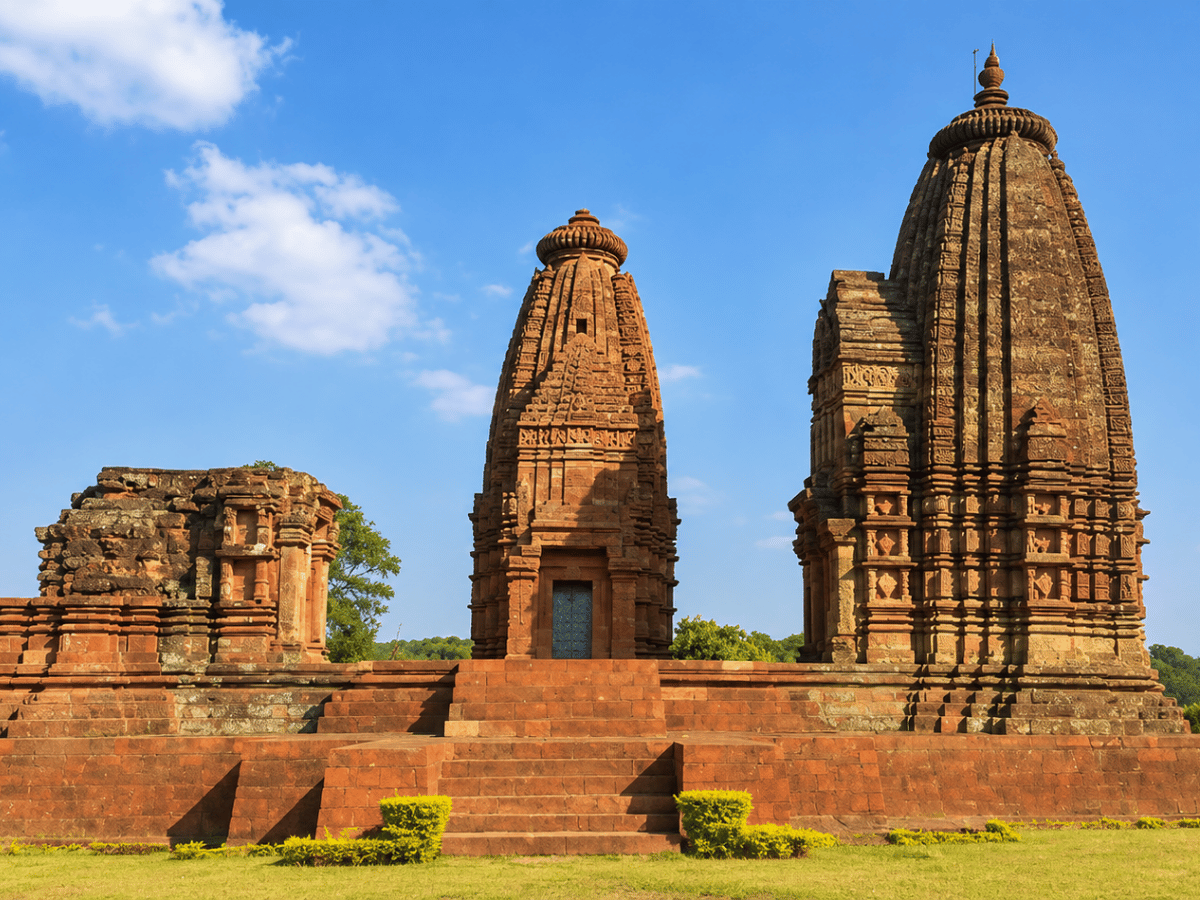
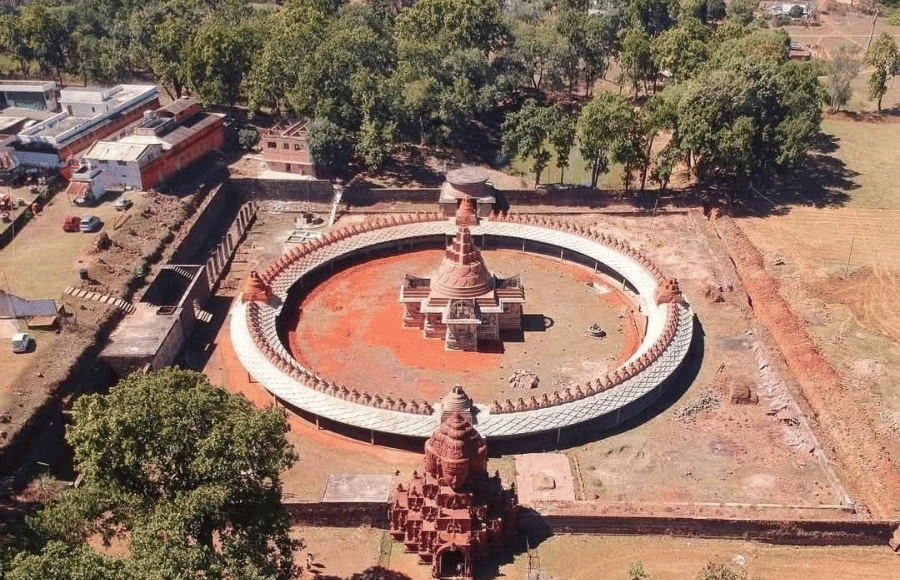
Ancient Temples of Kalachuri Period🔍
Ancient Temples of Kalachuri Period
Shri Sarvodaya Digamber Jain Temple🔍
Shri Sarvodaya Digamber Jain Temple
Mai ki Bagiya🔍
Mai ki Bagiya
Sri Yantra Mandir🔍
Sri Yantra Mandir
Tap any photo to enlarge
Born on This Plateau

The Three Sacred Rivers

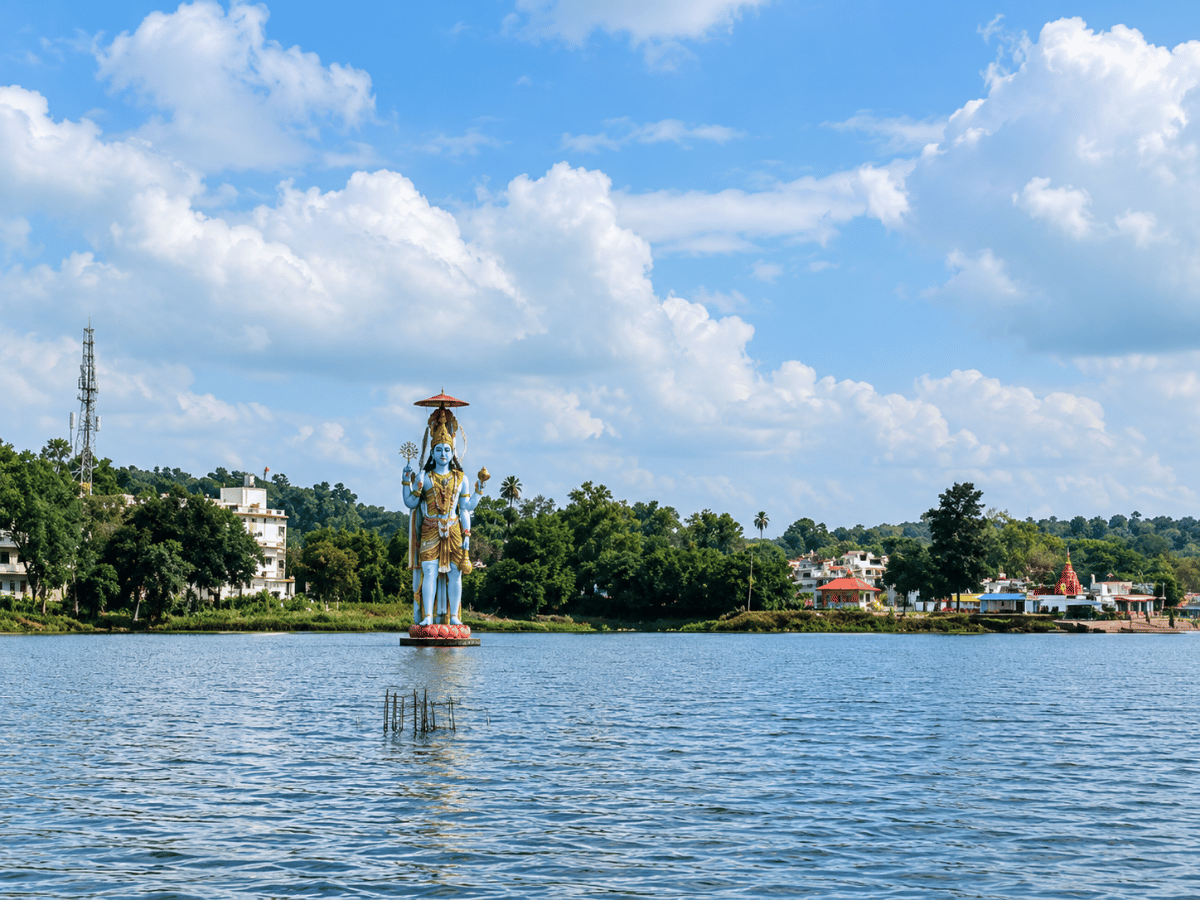
Amarkantak is the meeting point of the Vindhya and Satpura ranges, with the Maikal Hills as the fulcrum, and the rare place where three rivers rise together.
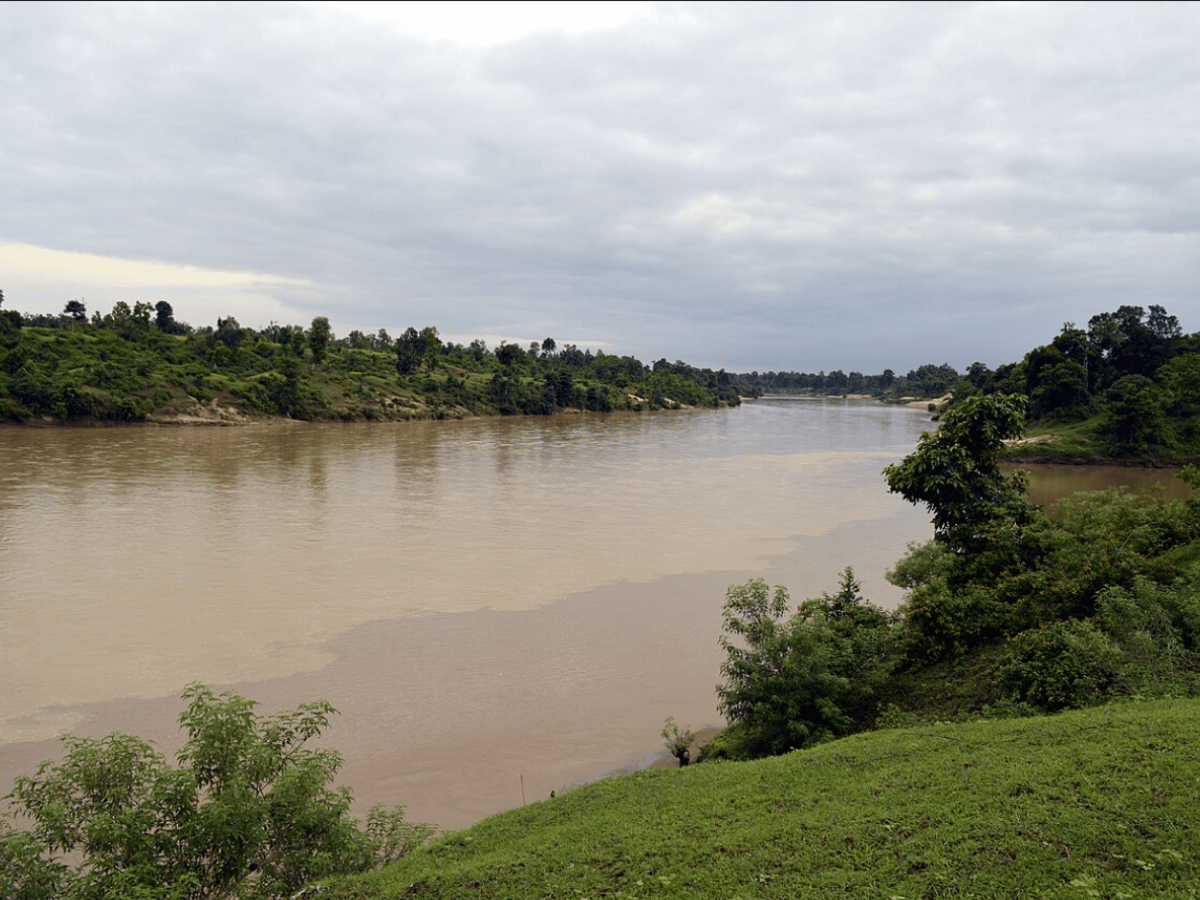
Narmada River🔍
Narmada River
Sone River🔍
Sone River
Johila River🔍
Johila River
Tap any photo to enlarge
The Living Shrines

Temples of the Holy Plateau

Around the Narmada kund and across the town, these shrines form the daily rhythm of Amarkantak. Tap any temple to see it up close.

Jwaleshwar MahadevJwaleshwar Mahadev
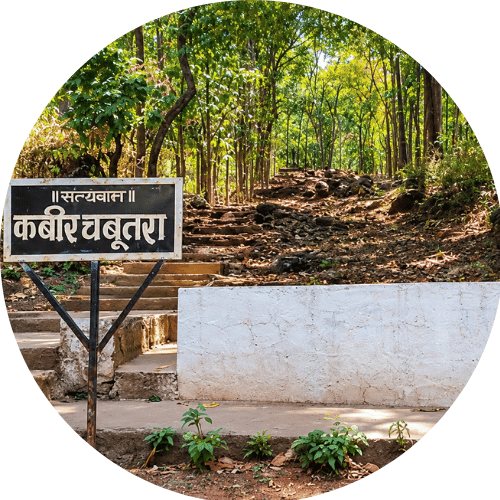
Kabir ChabutraKabir Chabutra
Keshav Narayan TempleKeshav Narayan Temple
Narmada Kund Shiv TempleNarmada Kund Shiv Temple
Pataleshwar MahadevPataleshwar Mahadev
Sri Yantra MandirSri Yantra Mandir
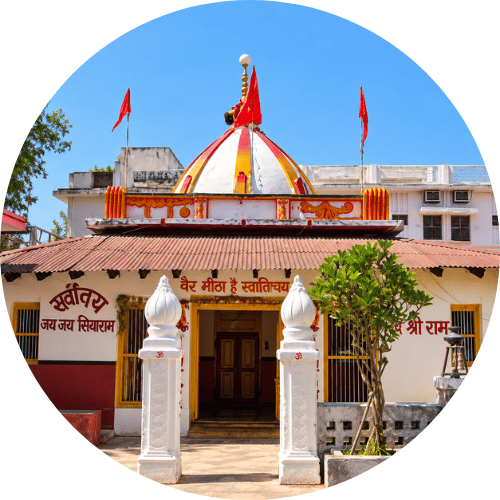
Shri Ram Janki TempleShri Ram Janki Temple
Siddheswar MahadevSiddheswar Mahadev
Trimukhi TempleTrimukhi Temple
Vedmata Gayatri TempleVedmata Gayatri Temple
Annapurna TempleAnnapurna Temple
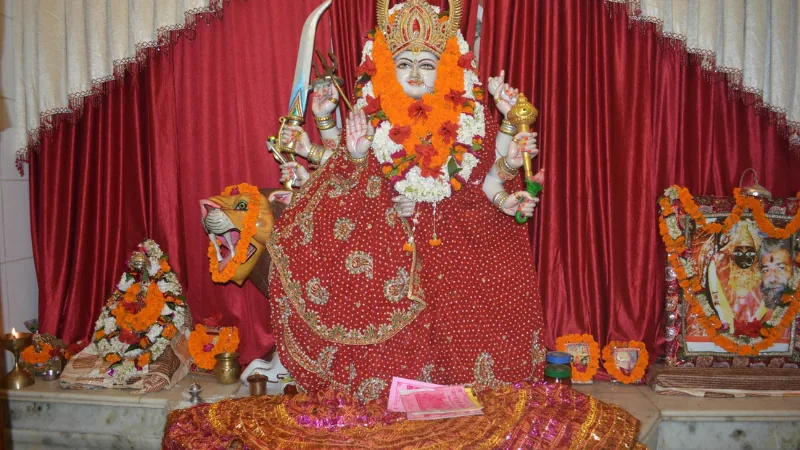
Durga TempleDurga Temple
Eleven Rudra TempleEleven Rudra Temple
Guru Gorakhnath TempleGuru Gorakhnath Temple
Maa Chandika TempleMaa Chandika Temple

Plan Your Amarkantak Pilgrimage Today

Let our Madhya Pradesh specialists build the trip around your dates, budget and pace.

Good to Know

Amarkantak Travel FAQs

Everything travellers ask us most often. Still unsure? Message us on WhatsApp and a real MP Holidays expert will reply.

01 What is the best time to visit Amarkantak?
October to March is the most comfortable, with cool days and clear views. The monsoon between July and September is when Kapil Dhara and Dudh Dhara are at their fullest, though the trails get slippery.
02 How do you reach Amarkantak?
The nearest railway stations are Pendra Road, about 17 km away, and Anuppur, about 48 km away. The closest airport is Jabalpur, roughly 245 km by road. Taxis and state buses run from Shahdol, Bilaspur and Rewa.
03 How many days are enough to explore Amarkantak?
Two days cover the main temples, the Narmada source and the waterfalls at an unhurried pace. One day is possible if you start early and skip the longer forest walks.
04 What are the major places to visit in Amarkantak?
Narmada Udgam Temple, the ancient Kalachuri temple group, Kapil Dhara, Dudh Dhara, Shri Yantra Mandir, Son Udgam Temple, the Jain temple and Mai ki Bagiya.
05 Is Amarkantak suitable for elderly travellers?
Yes for the temple circuit, which involves short walks on paved paths. Kapil Dhara and Dudh Dhara need a descent on steps and uneven ground, so allow extra time or plan a vehicle drop closer to the viewpoints.
06 Where can you stay in Amarkantak?
The town has MP Tourism properties, ashram guesthouses and a handful of private hotels. Rooms fill quickly around Narmada Jayanti and Mahashivratri, so book ahead for those dates.
Did not find your answer? 💬 Ask on WhatsApp
Call WhatsApp ✉️Quote 🎒Packages
Powered by CouchCMS