
Gwalior art culture Gwalior is a well acknowledged place of art, associated with historic as well as contemporary evidence. In August 2005 a mural.
 🔍
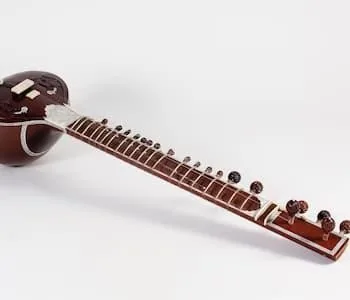
🔍Gwalior is a well acknowledged place of art, associated with historic as well as contemporary evidence. In August 2005 a mural created by Aasutosh Panigrahi along with five other artist, was acknowledged as World’s Largest Indoor Mural by Guinness Book of Records. The artwork was created at ShyamVatika (Saraswati Estate, near GolaKaMandir). ShyamVatika is one of the largest Auditorium of Gwalior. Gwalior holds an unparalleled reputation in Sangeet and the legendary musician Tansen came from Gwalior. In his memory Tansen Samaroh is held every year. Sarod Maestro UstadAmjad Ali Khan was also fro
 🔍
🔍This dance is related to people who have traditionally been in the business of cattle herding. In different parts of the state these people are known by different castes such as Ahir, Baredi, Gwal, Rawat, Raut, Gwala etc. These people believe that they are the descendents of Lord Krishna.
🔍This dance has been associated with the biggest Hindu festival “Diwali”. On the night of Diwali people worship Laxmi, the Hindu goddess of wealth (after all no body can live without money), and cattle. Next day on the occasion of “Padva” or “Parva” cattle are sent to jungles or ranches after being decorated with flowers and garlands. They are given special dishes as food. Yadav dance is performed on the same occasion. Dancers dance in a circular path while singing songs. Sometimes they sit or lie down on earth and suddenly they restart their dance. Rhythm of the song is very low in starting an
🔍Saharias are tribal people who live in jungles. They work in farms and also collect medicinal plants from jungles. There are several dances of Saharias. Some of the important ones are: Lur Dance, Lanhgi Dance, Dul-DulGhodi Dance, Raya Dance, Ada-Khada Dance.
🔍This dance is performed on the occasion of marriage starting from the day of ritual of “Haldi” (In this ritual whole body is pasted with turmeric and after sometime it is removed so the body is cleaned) till the arrival of Barat (Bridegroom comes to the house of the bride with his relatives and friends for marriage ceremony).
🔍This dance is also known as Danda(baton) dance because Saharias dance with small batons in their hands with which they strike at each other and perform Lanhgi dance. Only men are allowed in it. This dance is performed on the occasion of Bhujarias, Tejaji puja and Aekadashi etc.
🔍This dance is performed on the occasion of marriage by males. In this dance a hollow case of ghori (mare) is prepared of bamboo sticks. The dancer stands in the hollow place and dances.(depicts various movements of mare.) There is also a joker in women clothing. People sing folk songs during the dance.
🔍Jagnik was a folk poet of 11th-12th century. At that time some poets used to write biographies of folk warriors. These biographies were called “Raso”. Jagnik wrote “Parmalraso” or “Alha khan” Which contains the description of 52 battles fought by Bundeli war heroes Alha and Oodal. The style of singing alhakhand has a unique distinction and it is very popular in the region. Dholak, timaki, jhinka, and majira are its musical instruments. People who sing alha are called “Alhet”. Lalloovajpayi is a very famous alhet.
 🔍
🔍There are innumerable festivals celebrated by Gwaliorites but among the long list, the main festivals celebrated in the city are Tansen Festival, BhavbhutiSamaroh, Baba HiraBhumia’s Fair, Rang Panchmi, Ganesh Chaturthi, Diwali, Navratri, etc.
🔍Gwalior is well-known for its unique culture, owing to the influences of various dynasties. It is a melting pot of distinct cultures and traditions. Historic as well as contemporary art is popular in the city. The world’s largest indoor mural was created in Gwalior. ‘Drupad’ is a vocal genre that is believed to be the oldest continuing musical genre of Hindustani classical music. Tansen, the world-famous vocalist of the court of Akbar, was from Gwalior. In his honour, Tansen Music Festival is held every year. Folk dance is also popular in the city. Some of the dance forms are Ahir folk dance,
🔍The Culture of Gwalior is characterized with a fine composite of Bundeli and Braj cultures wherein the indigenous religious, historical, architectural and artistic bequest of Gwalior is reflected through its illustrious tradition of art, music, dance, poetry and festivals. Music : Gwalior; ‘the City of Music’ and the felicitous land of Tansen and BaijuBawra boasts of its unsurpassed standing in the domain of the ‘Hindustani Classical Music’ . Tansen ; the Father of the Indian Classical Music who blossomed in the Court of Akbar as the greatest musician, composer, vocalist and instrumentalist of
🔍Gwalior is also commended for its Papier Mache Artifacts, Leather Work and Hand Woven Carpets. Tourists make it a point to buy Chanderi & Maheswari Saris, Tussar & Kosa Silk, Lacquer Ware, Dolls, Dokra Statuettes, Ethnic Ornaments, Wall Hangings, Handmade Carpets, Tribal Jewelry, Hand-Woven Saris, Other Fabrics, etc. from here.
Our itineraries cover stay, meals and the full sightseeing circuit.
Everything travellers ask us most often. Still unsure? Message us on WhatsApp and a real MP Holidays expert will reply.