
Places of Interest in Gwalior - photos, details and travel help.
Places Of Tourist Attraction in Gwalior Gwalior Fort Gujari Mahal Man Mandir Palace Ghaus Mohammaed’s Tomb Gurudwara Data Bandhi Chhod Gopachal Parvat Sarod Ghar Jai Vilas Palace
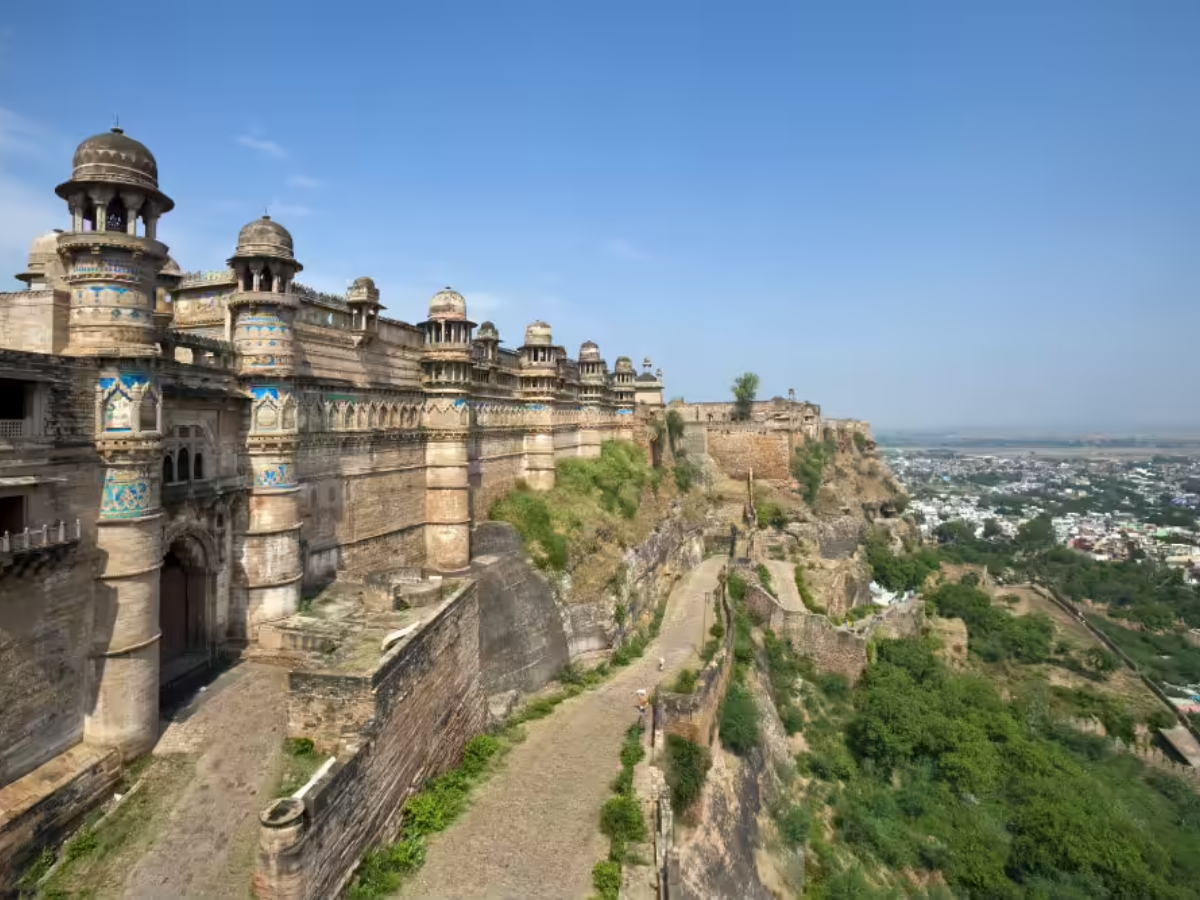 🔍
Massive Gwalior Fort, popularly called the Gibraltar of India, overlooks the city. Emperor Babur reputedly described it as "the pearl in the necklace of the forts of Hind." This fort's architecture is unique. It shows Chinese influence on Indian architecture, as Chinese dragons have been crafted at the hilt of the pillars. This influence was because of trade between China and India during that period.
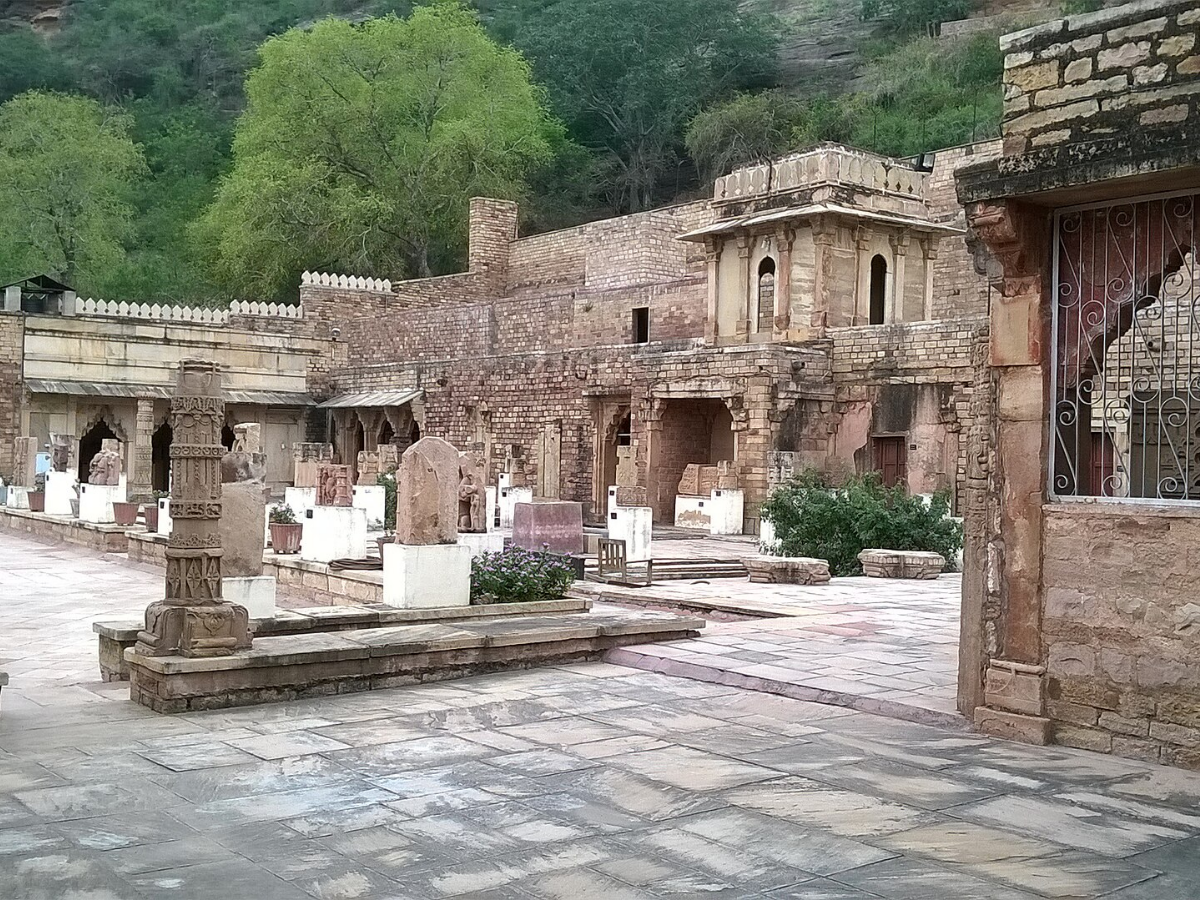 🔍
Within the fort are some marvels of medieval architecture. The 15th century Gujari Mahal is a monument to the love of Raja MansinghTomar for his intrepid Gujar Queen, Mrignayani. The outer structure of Gujari Mahal has survived in an almost total state of preservation; the interior has been converted into Archaeological Museum housing rare antiquities, some of them dating back to the 1st century A.D.
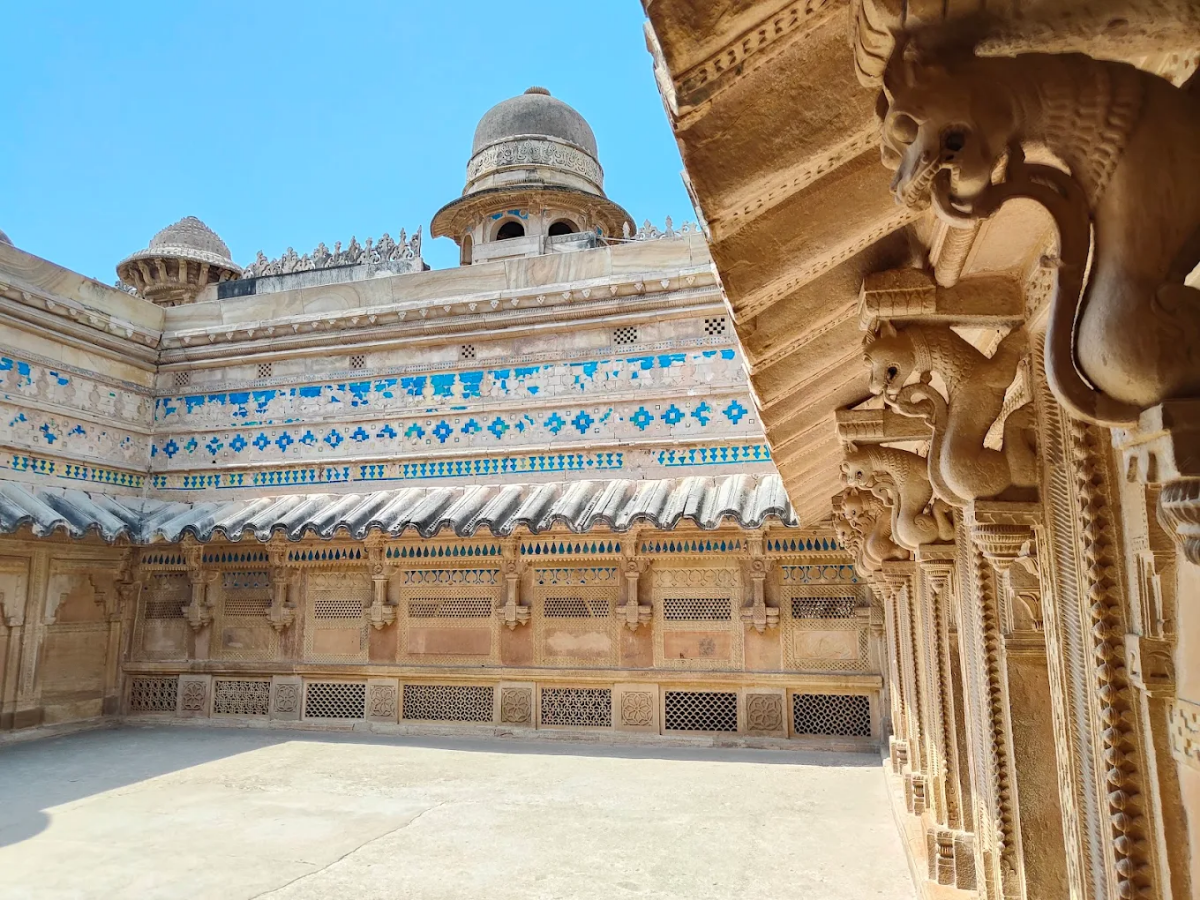 🔍
Built between 1486 and 1517 by Raja Mansingh. The tiles that once adorned its exterior have not survived, but at the entrance , traces of these still remain. Within the palace room’s stand bare, stripped of their former glory, testifying to the passing of the centuries. Vast chambers with fine stone screens were once the music halls, and behind these screens, the royal ladies would learn music from the great masters of the day.
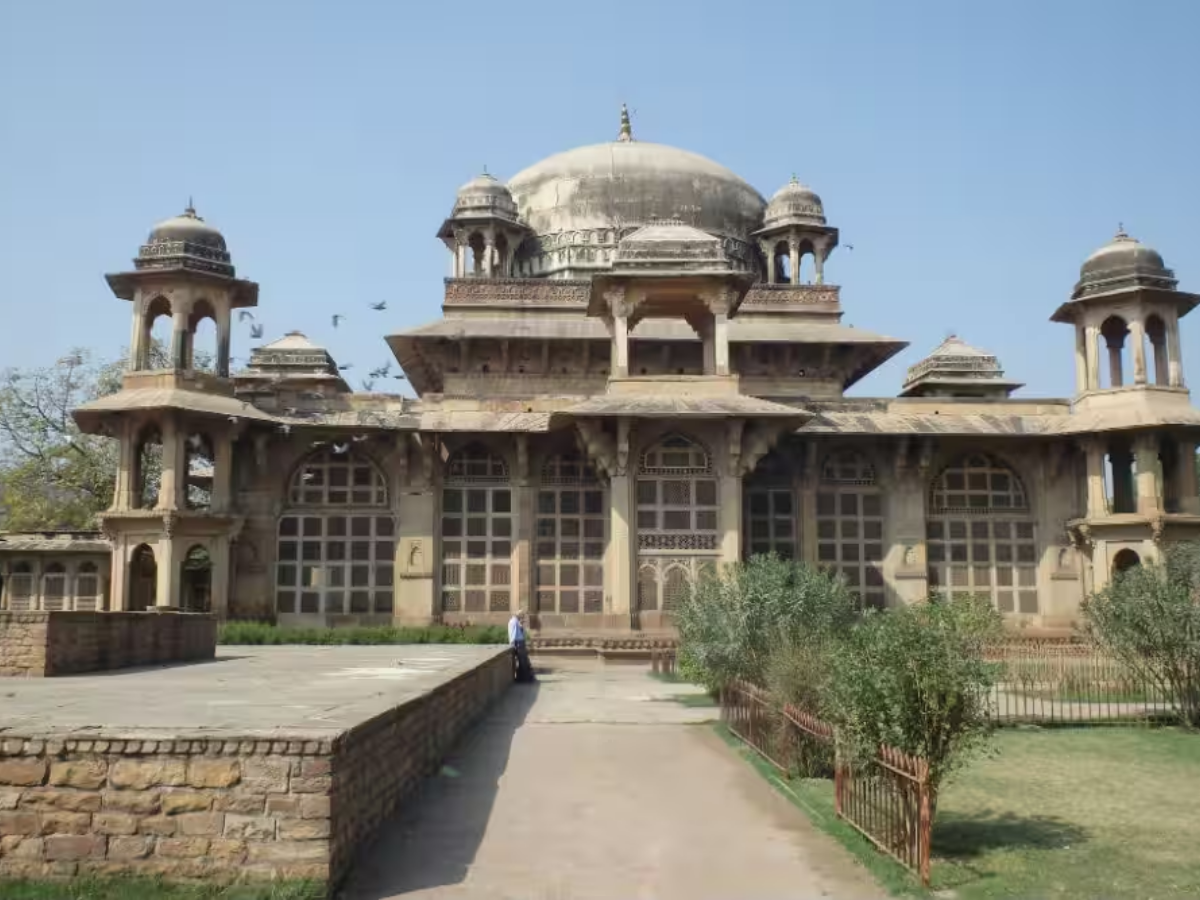 🔍
The sandstone mausoleum of the Afghan prince, Ghaus Mohammed, is also designed on early Mughal lines. Particularly exquisite are the screens which use the pierced stone technique as delicate as lace.
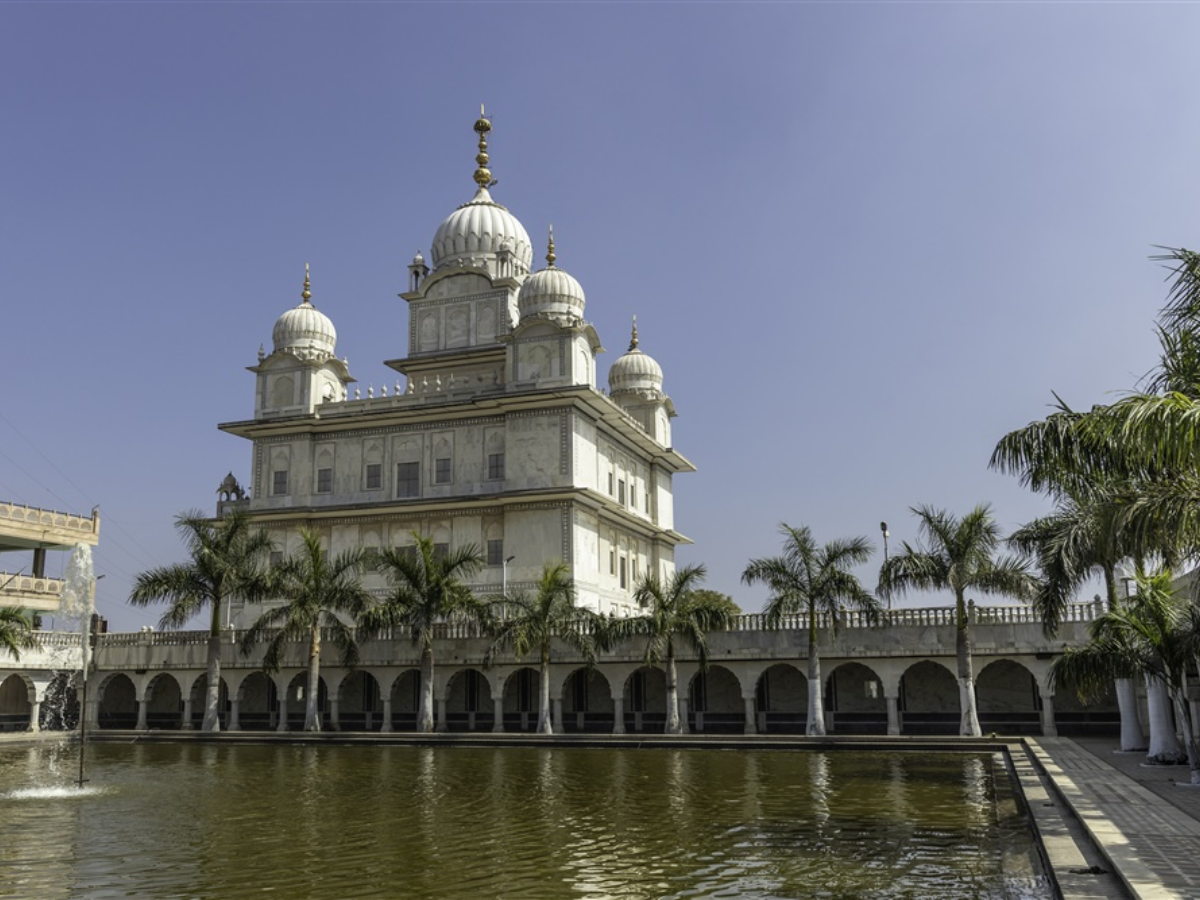 🔍
Built in the memory of Guru HargobindSaheb , the 6th Sikh Guru who was imprisoned here by Emperor Jehangir for over two years. It is located on the Gwalior Fort.
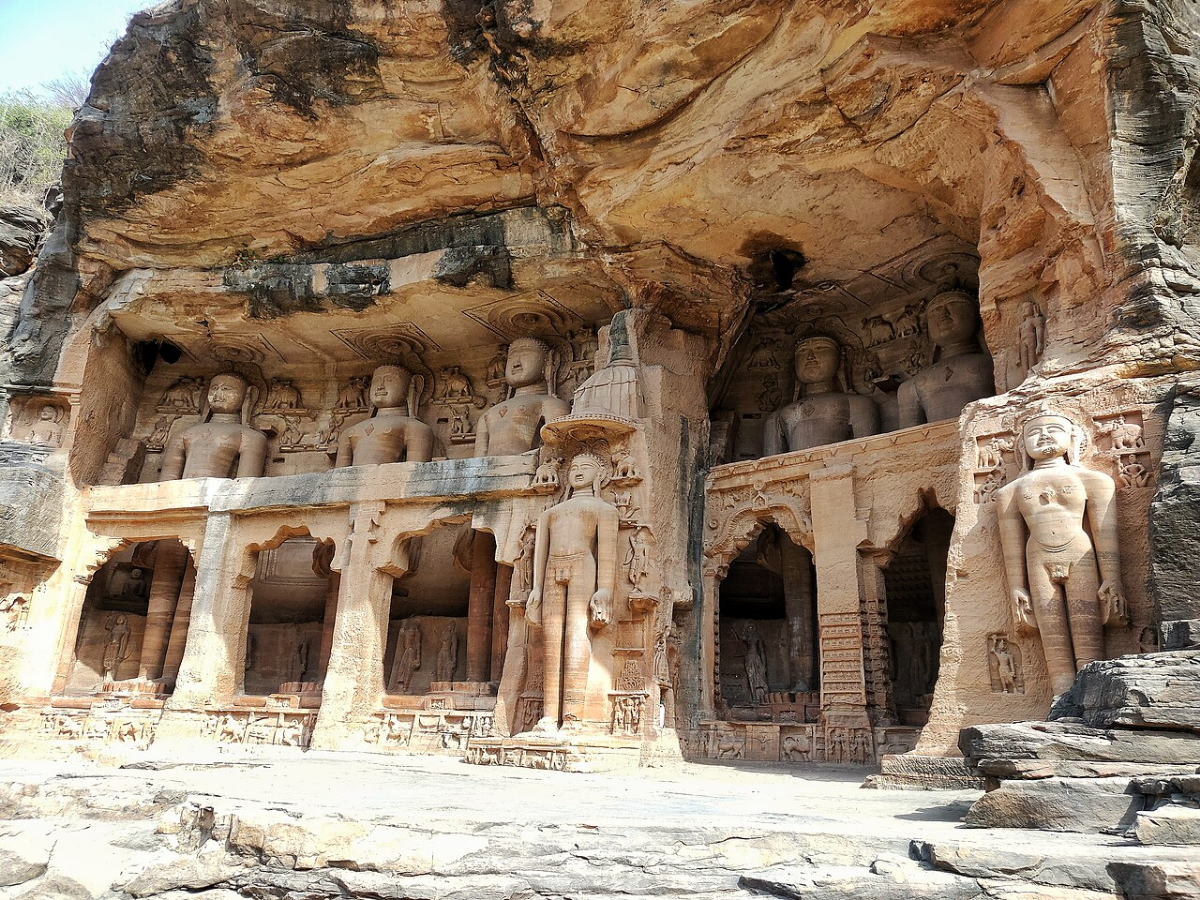 🔍
Situated on the Mountain Area at slopes of Gwalior Fort carries unique statue of Jain Tirthankars. The largest Idol of Bhagwan Parshwanath on Lotus is the largest statue (in single stone piece) in the world, being 47 feet high and 30 feet in width. 26 Jain statues in a series give a beautiful and attractivce picturescue. Built between 1398 to 1536 by Tomar Kings - these Jain Tirthankars Statues are a species of Architecture and a treasure of Old Indian heritage and culture.
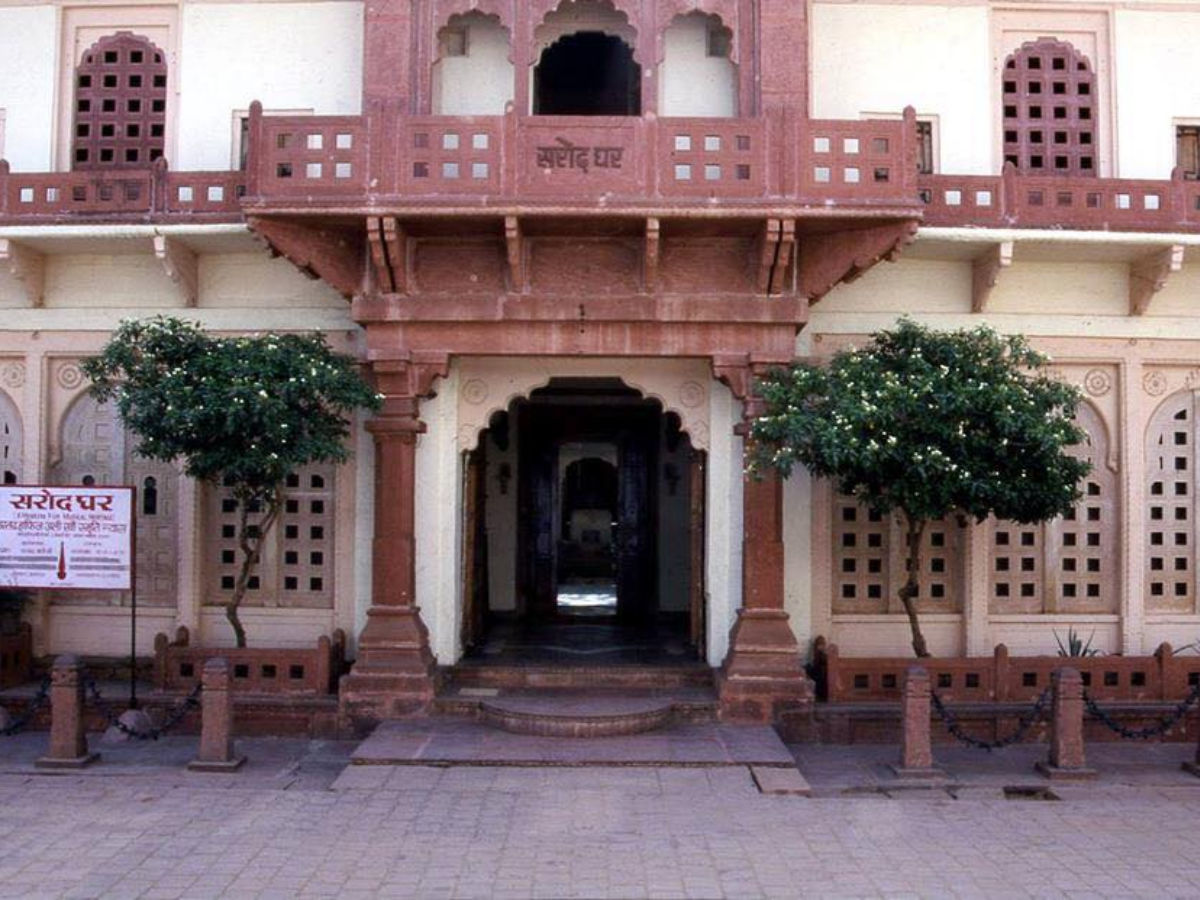 🔍
This Museum of Music has been set up in the old ancestral house of the legendary Ustad Hafiz Ali Khan. It houses ancient instruments of the great Indian Masters of yester years. It also houses an impressive collection of photographs and documents. Sarod Ghar is a unique institution devoted to promoting Indian classical music, heritage and culture.
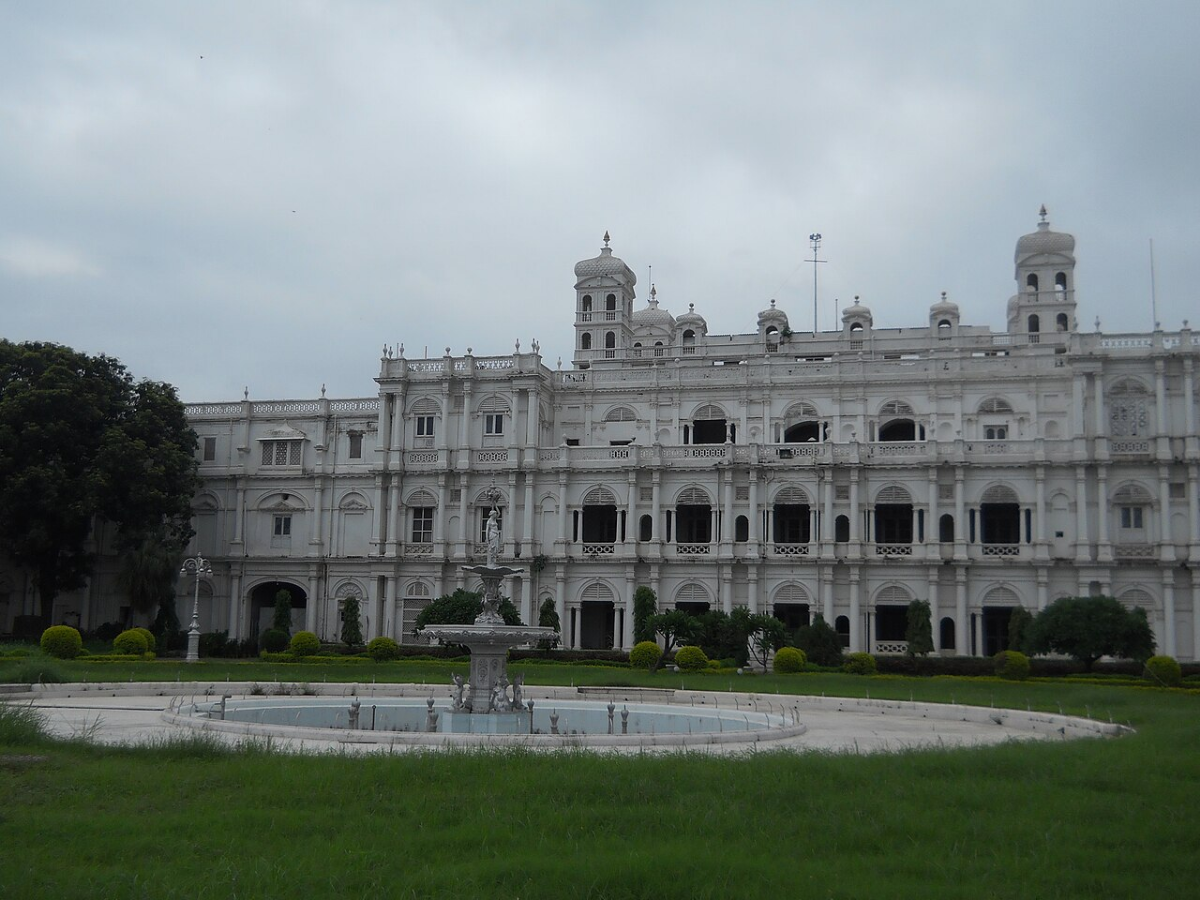 🔍
A splendor of a different kind exists in the Jai Vilas Palace, current residence of the Scindia family. Some 25 rooms have been turned into the JivajiRaoScindia Museum, and in these rooms, so evocative of a regal lifestyle, the past comes alive. Jai Vilas is an Italianate structure which combines the Tuscan and Corinthian architectural modes.
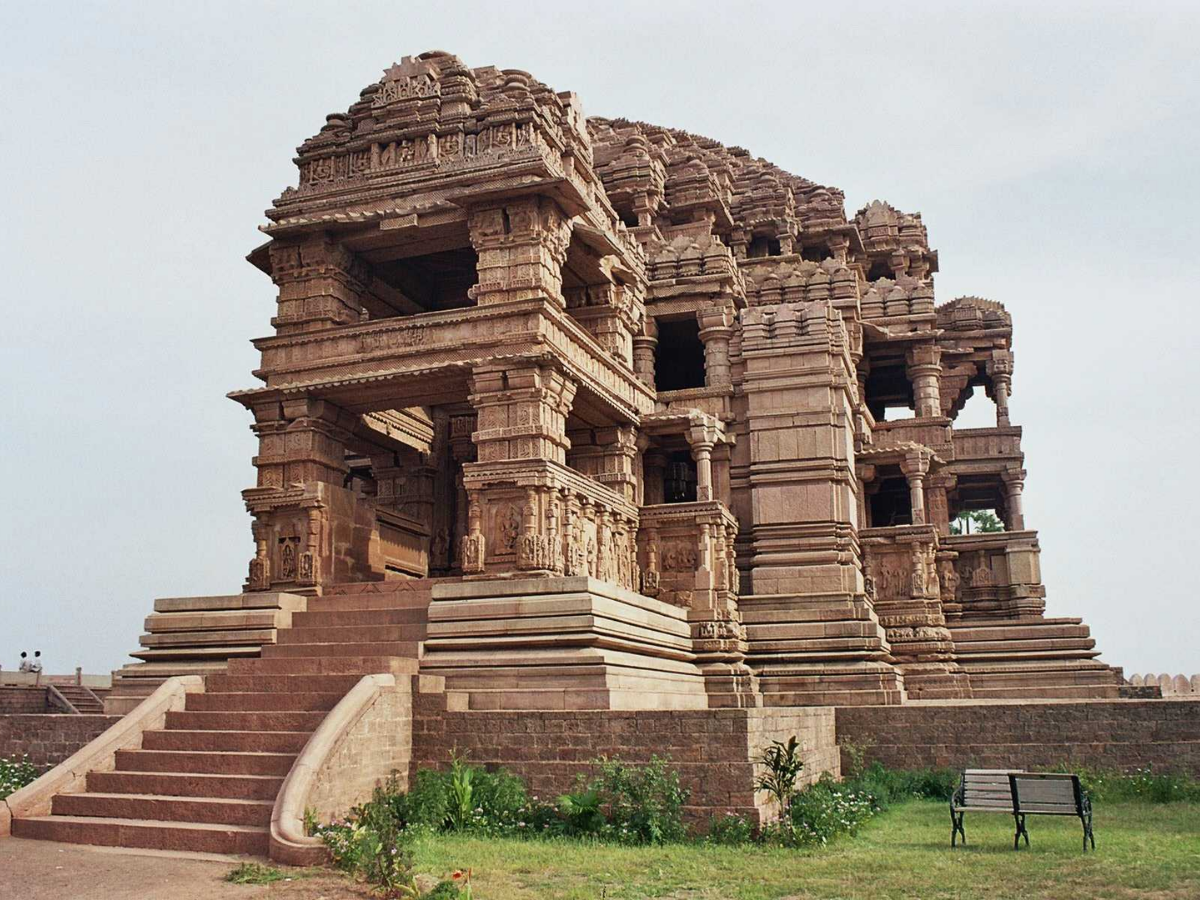 🔍
The Saas Bahu Temples in Gwalior were built in 1093 AD by King Mahipala of the Kachchhapaghata dynasty. Their name comes from Sahastrabahu, meaning the thousand-armed Vishnu, which was later shortened in local speech. The larger and smaller temples are covered in detailed carvings on their pillars, ceilings and walls.
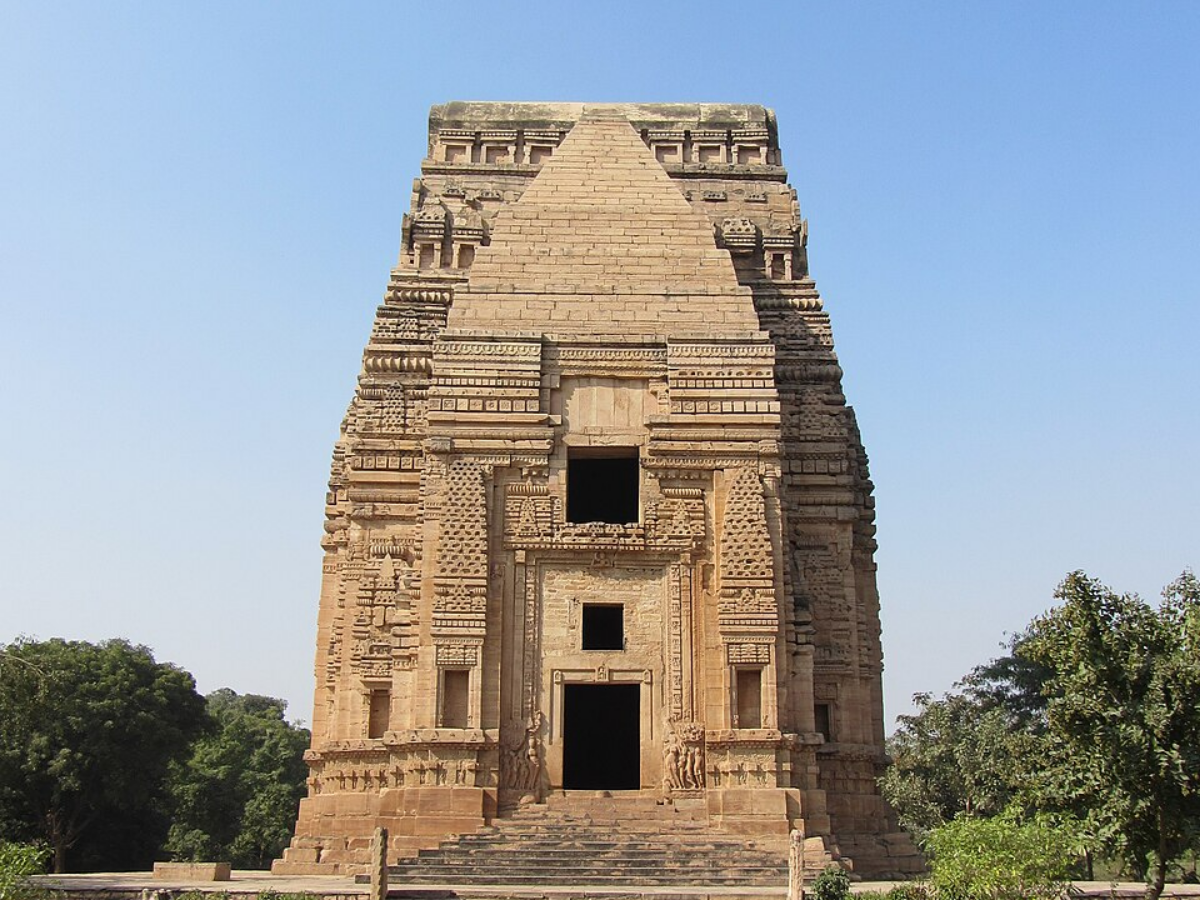 🔍
Rising about 30 metres, Teli ka Mandir is the tallest structure inside Gwalior Fort. This 8th-century temple has a rare wagon-vault roof, a style more common in South Indian temples, set on a North Indian base. Historians still debate its name, with theories linking it to oil merchants or to the Telangana region.
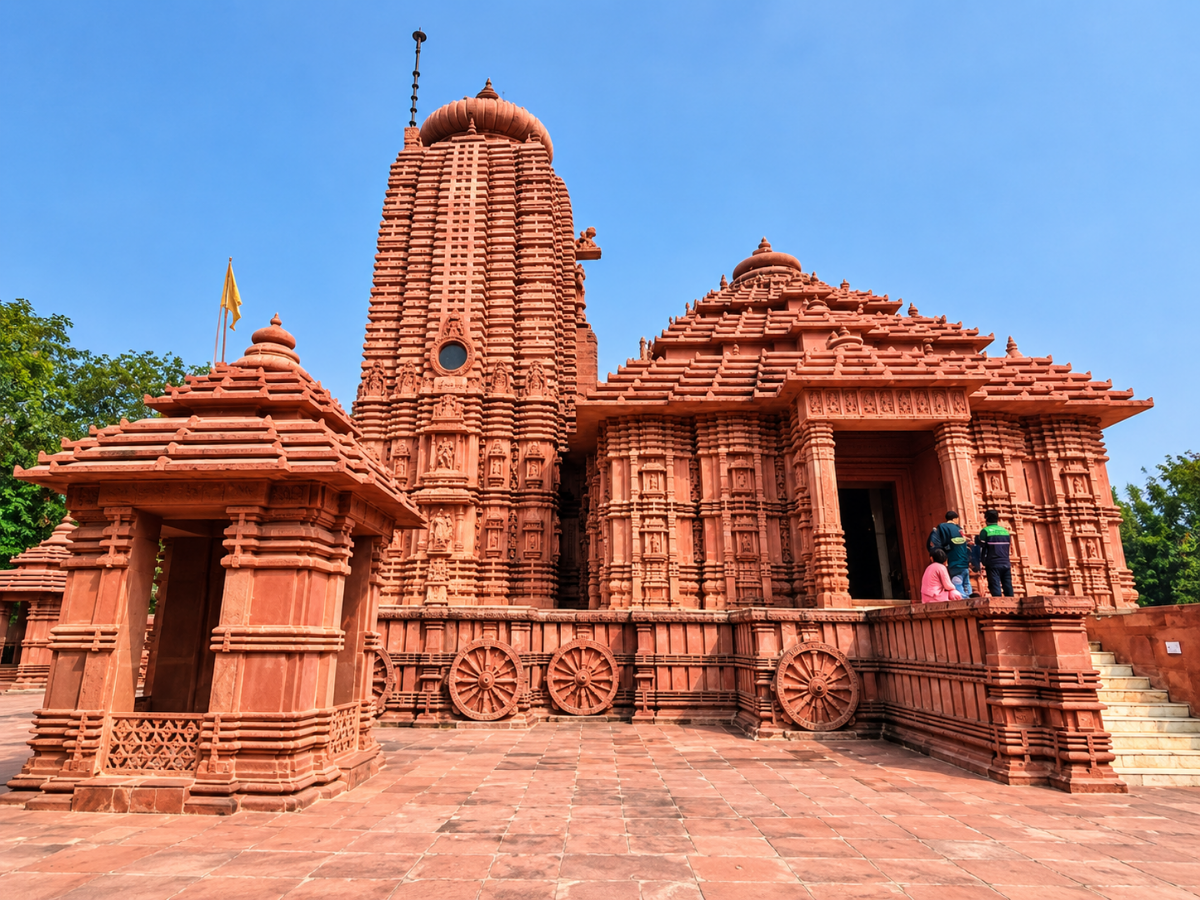 🔍
Located in Morar, Gwalior's Sun Temple was built by the Birla family in 1988 and is inspired by the famous Konark Sun Temple. Its red sandstone exterior features carved chariot wheels, while the interior is finished in white marble. Well-kept gardens make it a peaceful stop away from the city's busier sites.
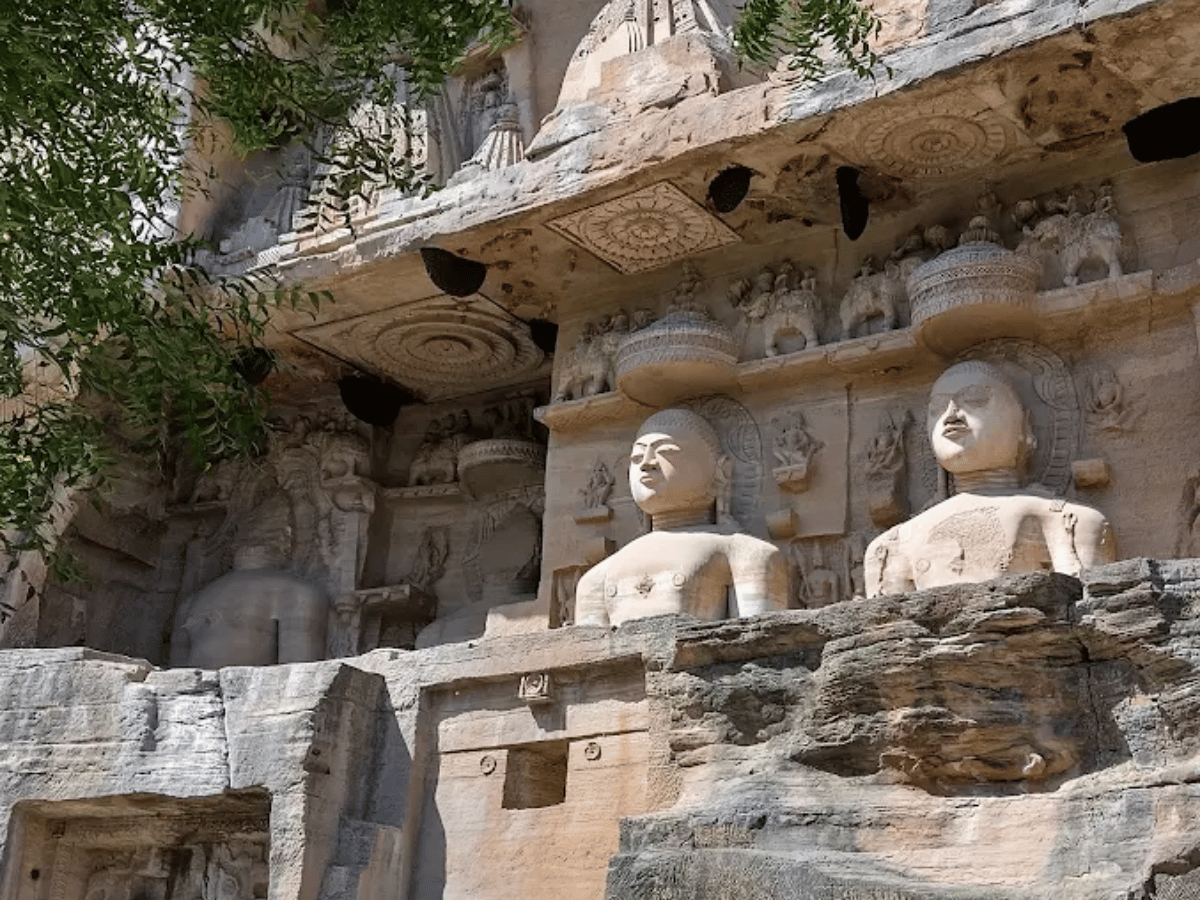 🔍
Carved into the cliffs of Gwalior Fort, these Jain Tirthankara statues date mostly to the 15th-century Tomar period. The tallest, a standing figure of Adinath, rises about 17 metres. Many statues were defaced after Babur's conquest in 1527, yet they remain among the most impressive rock-cut sculptures in India.
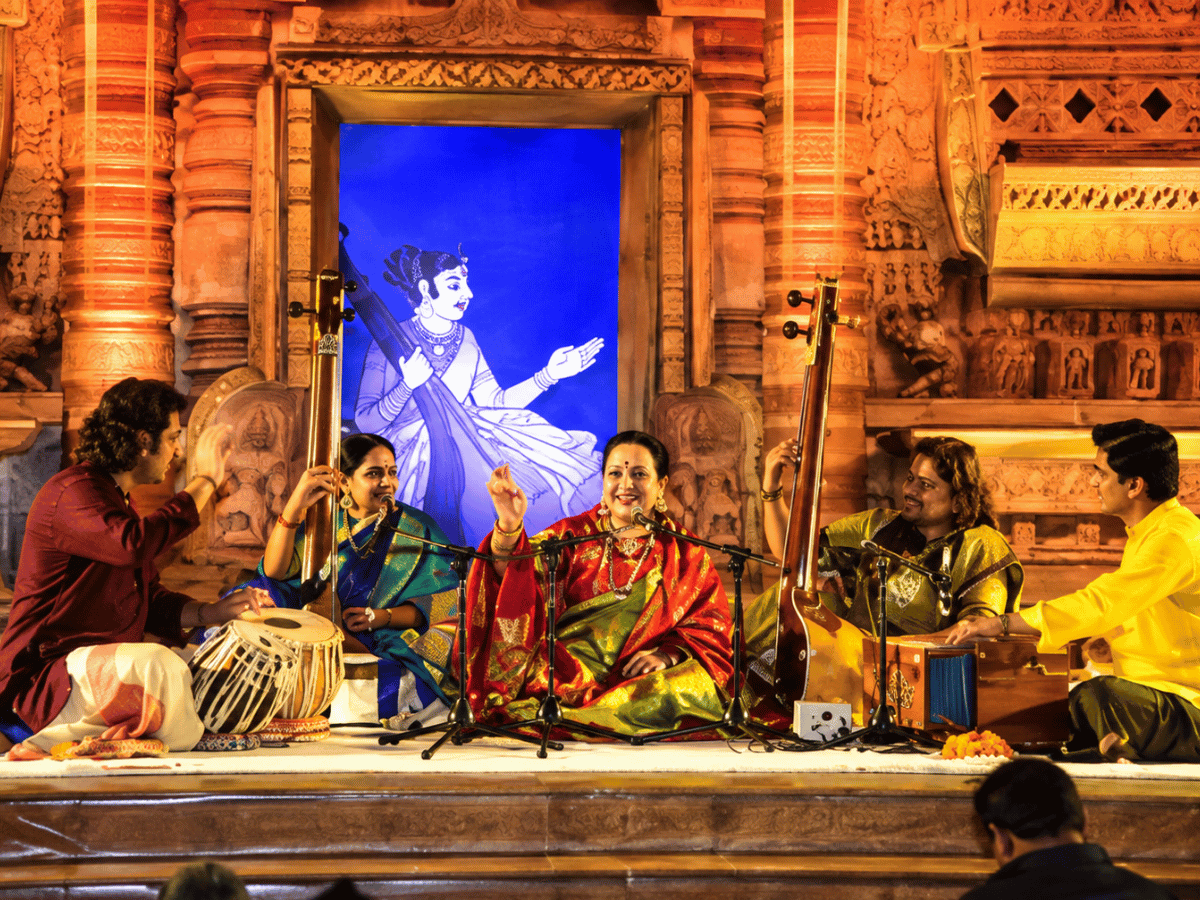 🔍
Tansen Samaroh is held every December beside Tansen's Tomb in Gwalior and has run since the 1920s. Leading Hindustani classical vocalists and instrumentalists perform here over several days. The Madhya Pradesh government also presents the prestigious Tansen Samman award to celebrated musicians during the festival.
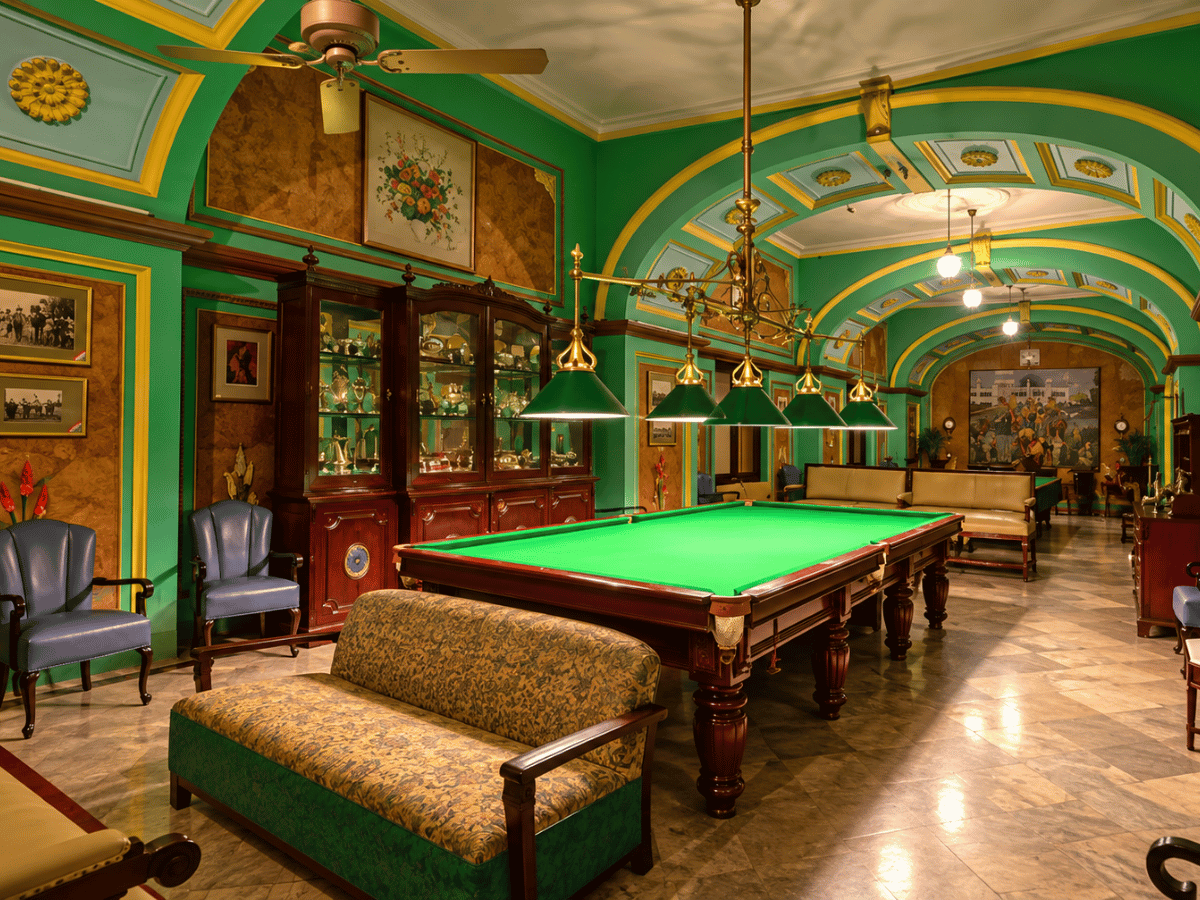 🔍
The Jiwajirao Scindia Museum occupies a large part of Jai Vilas Palace in Gwalior. Visitors can explore royal furniture, Persian carpets, weapons, portraits and lavish palace interiors. Its most loved exhibit is a silver toy train that once ran around the royal dining table, carrying food and drinks to the Maharaja's guests.
Our itineraries cover stay, meals and the full sightseeing circuit.
Everything travellers ask us most often. Still unsure? Message us on WhatsApp and a real MP Holidays expert will reply.