
The Italianate palace of the Scindias, still their home, with twenty five rooms given over to a museum.
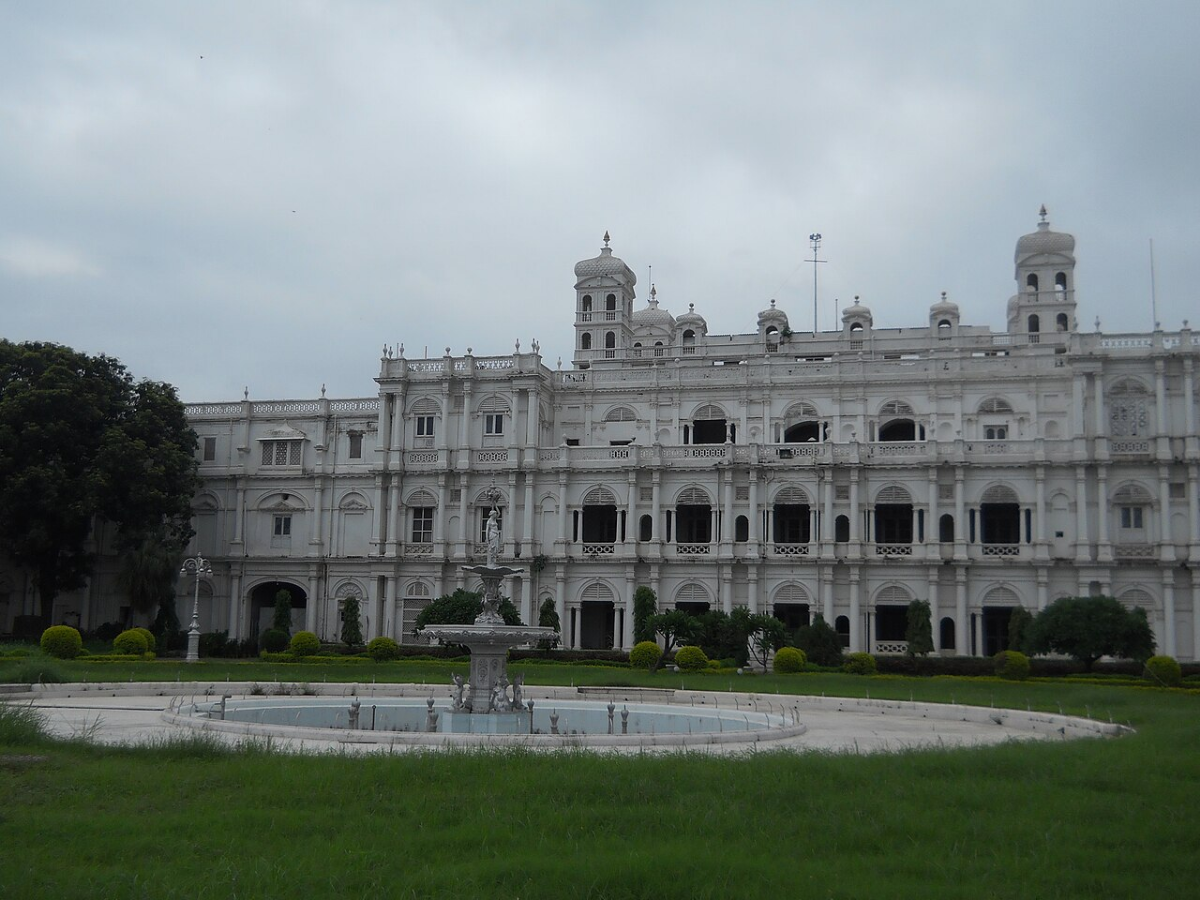
Jai Vilas Palace is the current residence of the Scindia family, and some twenty five of its rooms have been turned into the Jivaji Rao Scindia Museum. The building is an Italianate structure combining the Tuscan and Corinthian modes, with ceilings picked out in gilt, heavy draperies and tapestries, fine Persian carpets and antique furniture from France and Italy.
The imposing Darbar Hall is the centrepiece. Its two central chandeliers weigh a couple of tonnes, and they were hung only after ten elephants had been walked across the roof to test whether it would carry them. The story is as much a part of the hall as the glass.
The hall is the largest and most theatrical space in the palace, with gilt ceilings and two chandeliers of a couple of tonnes each. The account of ten elephants testing the roof before they were hung is the detail everyone remembers, and it explains the scale of the structure overhead.
A silver train with cut-glass wagons ran on miniature rails around the dining table, serving guests as it went. It is the single most quoted object in the collection and sums up the household it belonged to.
The rooms hold the glass cradle from Italy used for the baby Krishna each Janmashtami, silver dinner services, swords once worn by Aurangzeb and Shah Jahan, the jewelled slippers of Chinkoo Rani, four-poster beds, hunting trophies, portraits and gifts from practically every country in the world.
The palace is in Gwalior city, the museum occupies a large part of it, and the family still lives in the rest.
October to March is the best season in Gwalior, though the museum is indoors and works at any time of year. Mornings are quieter than afternoons. Allow for the possibility of closures around family occasions, since the palace is still lived in.
Everything travellers ask us most often. Still unsure? Message us on WhatsApp and a real MP Holidays expert will reply.