
A 15th century palace built for a queen, now the archaeological museum of Gwalior Fort.
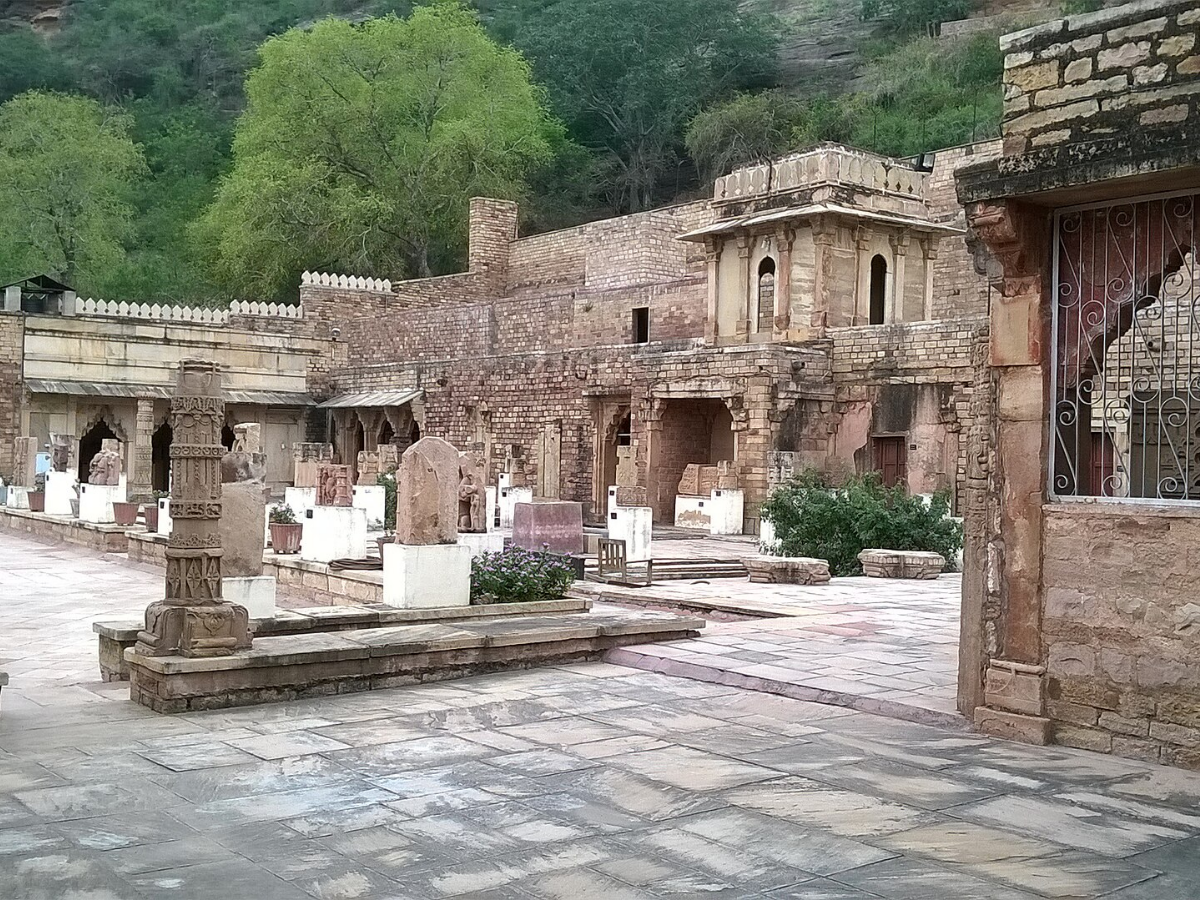
Gujari Mahal was built by Man Singh in the 15th century for his favourite wife, Mrignayani. The palace itself is now in ruins, but it has been given a second purpose: it holds an archaeological museum, and that is what visitors come inside for.
The collection showcases sculptures, statues and other remains, the earliest of them dating back to the 1st and 2nd century BC. The combination is unusual, since the building on the outside is later than much of what it now contains.
The galleries hold stone sculpture, statues and architectural fragments, with the oldest pieces going back to the 1st and 2nd century BC. Much of it came from sites around the region, so the museum is a useful way to place Gwalior in a longer history than the fort alone suggests.
Enough of Man Singh's palace for Mrignayani survives to read the plan and the scale, even though it is a ruin. Looking at the structure as architecture rather than as a museum shell is worth a few minutes on the way in or out.
Gujari Mahal stands at the foot of the fort hill, which makes it an easy addition to a fort visit.
October to March is the best season in Gwalior generally. The museum itself is indoors, so it also makes a sensible stop in the hot months or in the rain when the open fort is less comfortable.
Everything travellers ask us most often. Still unsure? Message us on WhatsApp and a real MP Holidays expert will reply.